


Go Back
News
EdFutures News
YCYW Partners with LimX Dynamics on AI Humanoid Robotics Programme
EdFutures News
16 Jun, 2026
14 : 43
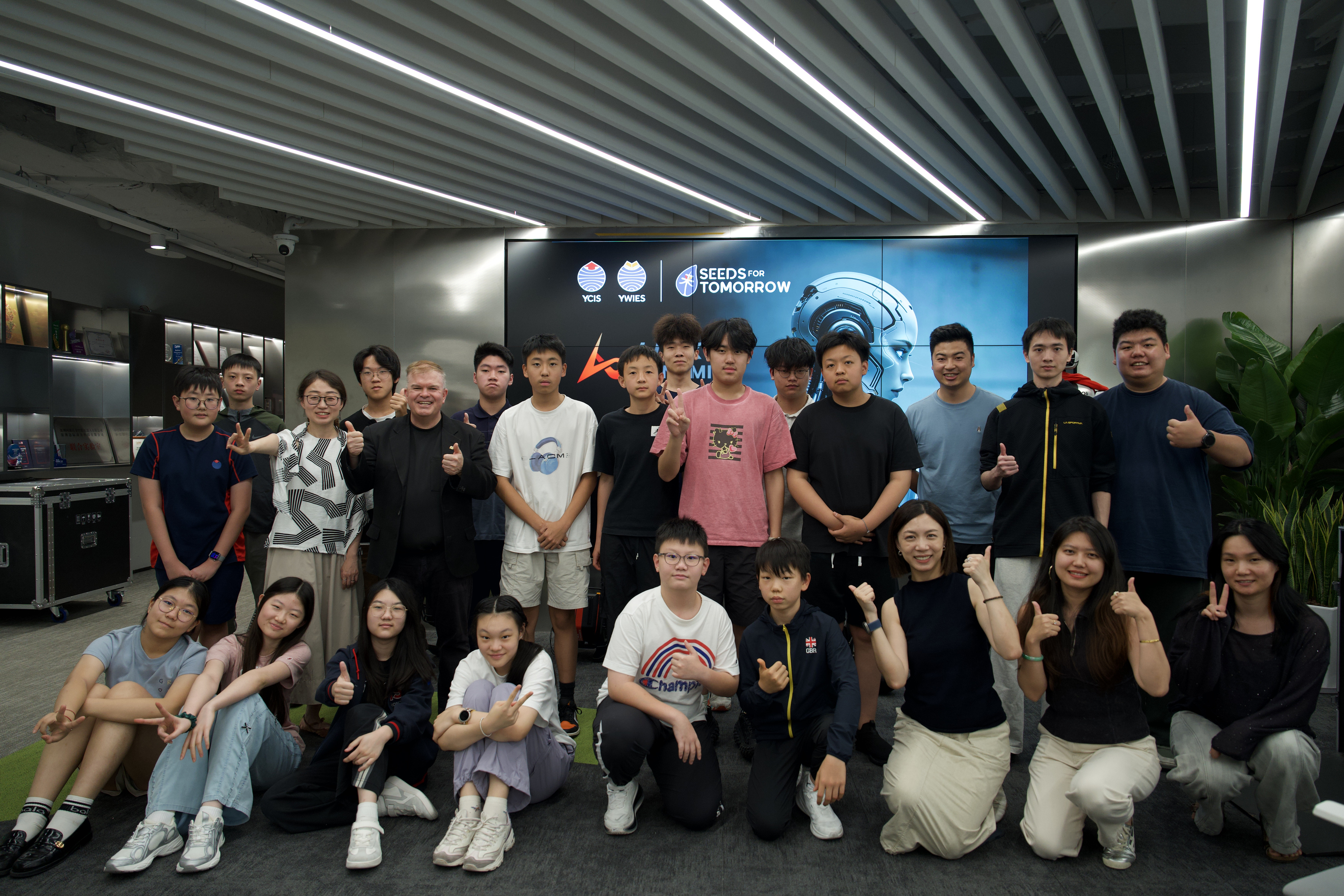
During 28 to 31 May, after six months of collaborative preparation, YCYW Education Network launched an AI humanoid robotics programme in partnership with LimX Dynamics, which is headquartered in Shenzhen, China. This marked LimX Dynamics’ first in-depth collaboration with an international school (secondary section), as well as a new milestone in YCYW’s exploration of applied technology education. YCYW students thus had a rare opportunity to step directly into robotics research and development.
Founded in 2022, LimX Dynamics focuses on robotics research and intelligent manufacturing. The company has developed high-precision motion control algorithms, advanced sensor fusion and environmental perception technologies, and a modular design framework that enables flexible expansion and adjustment for different applications. These technologies provided strong support for the programme.
Over three days, 16 students from Year 6 to Year 11, representing multiple YCYW schools, worked in teams to develop software for a bipedal robot for industrial and research applications. Under the guidance of electronic and AI engineers, the students programmed and controlled key components of the robot, enabling it to perform basic movements and tasks in a real-world environment.
Throughout the project, the students explored the physics principles for maintaining robotic balance and learned about the environmental feedback mechanisms required for robots to respond to changing surroundings and interact with objects and people. Many of these topics involve computer science and mathematics concepts at the university level or above. Importantly, the students also experienced how robot models are trained in virtual environments, thereby gaining insights about the complete process from coding to simulation and deployment.
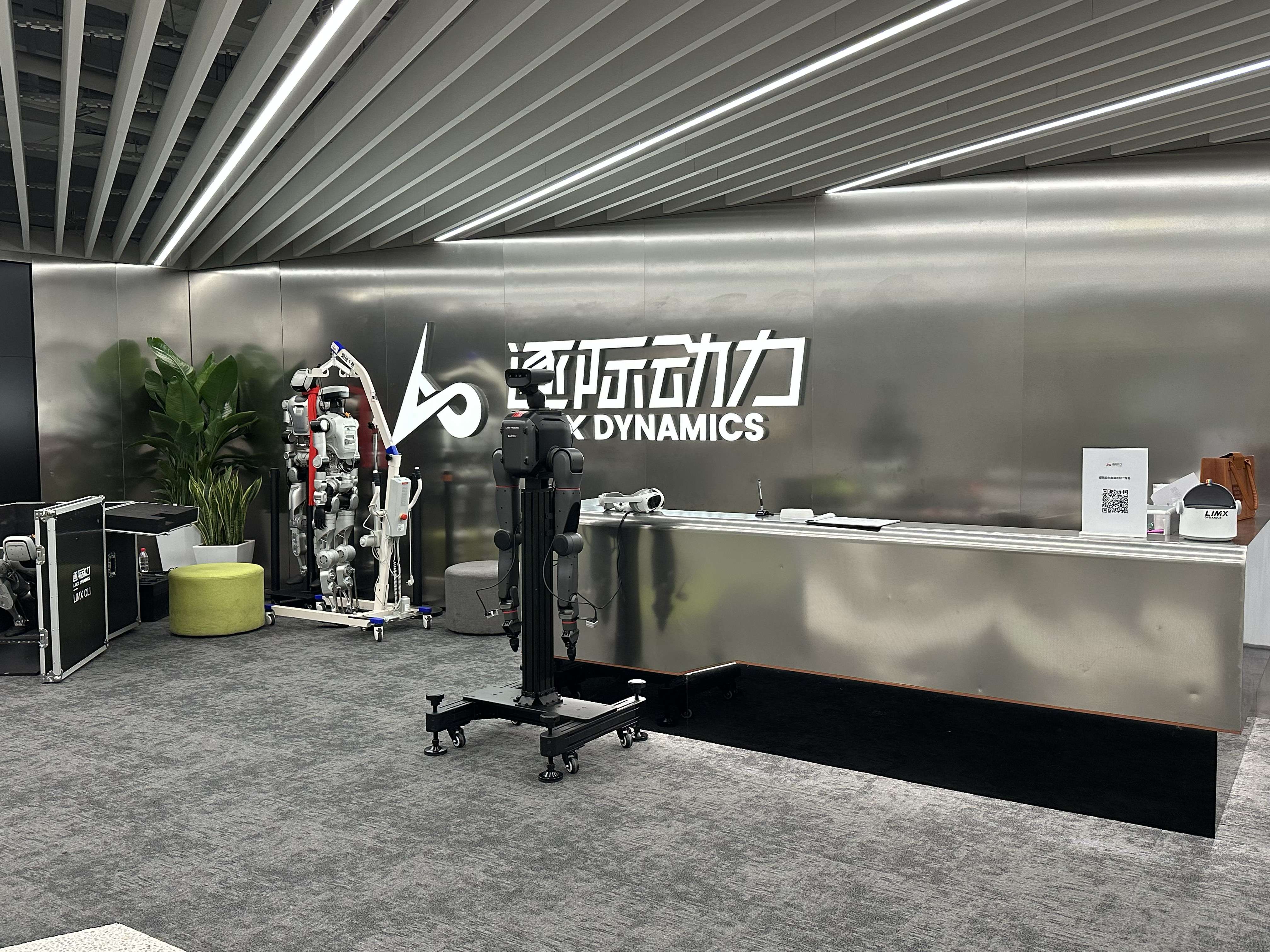
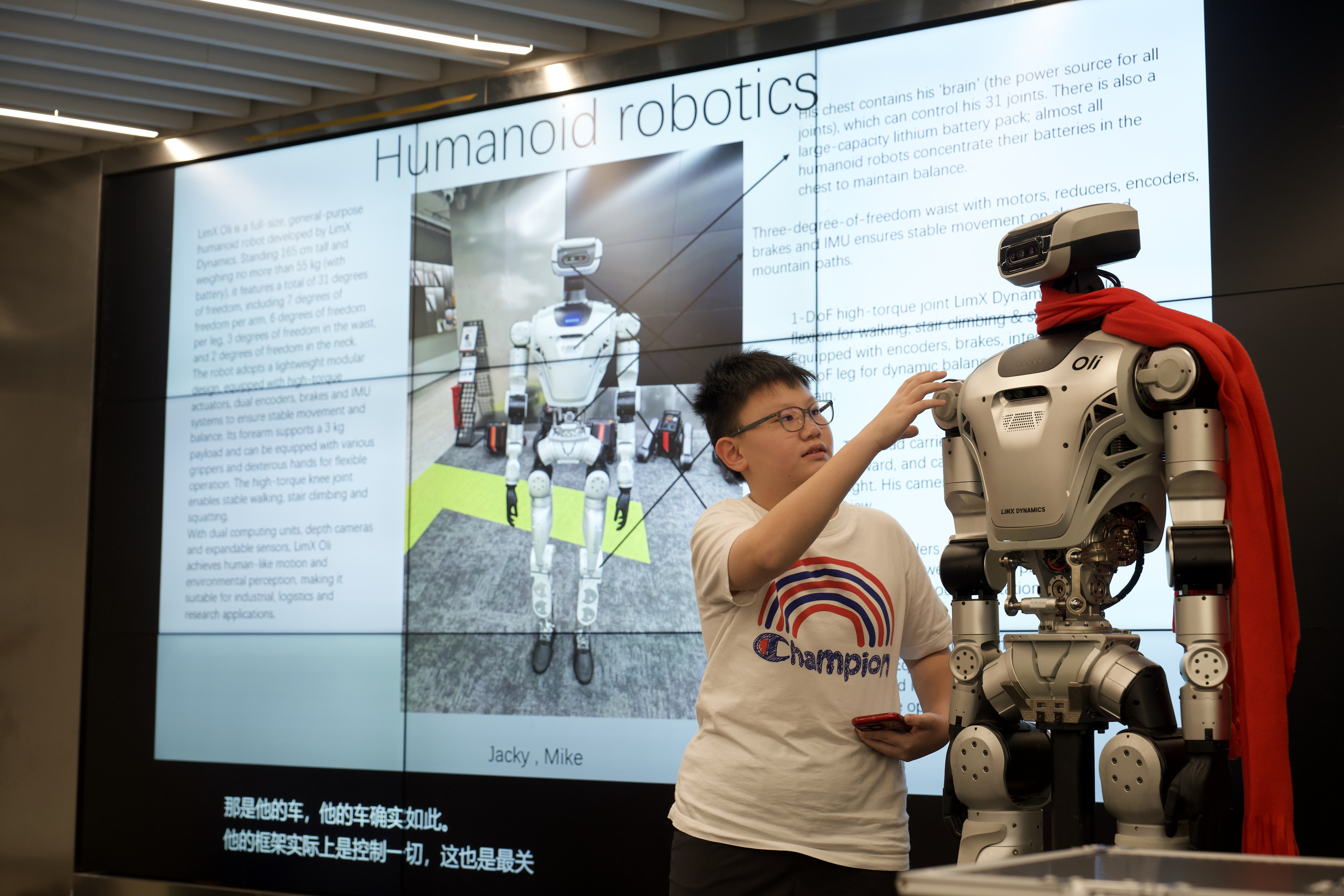
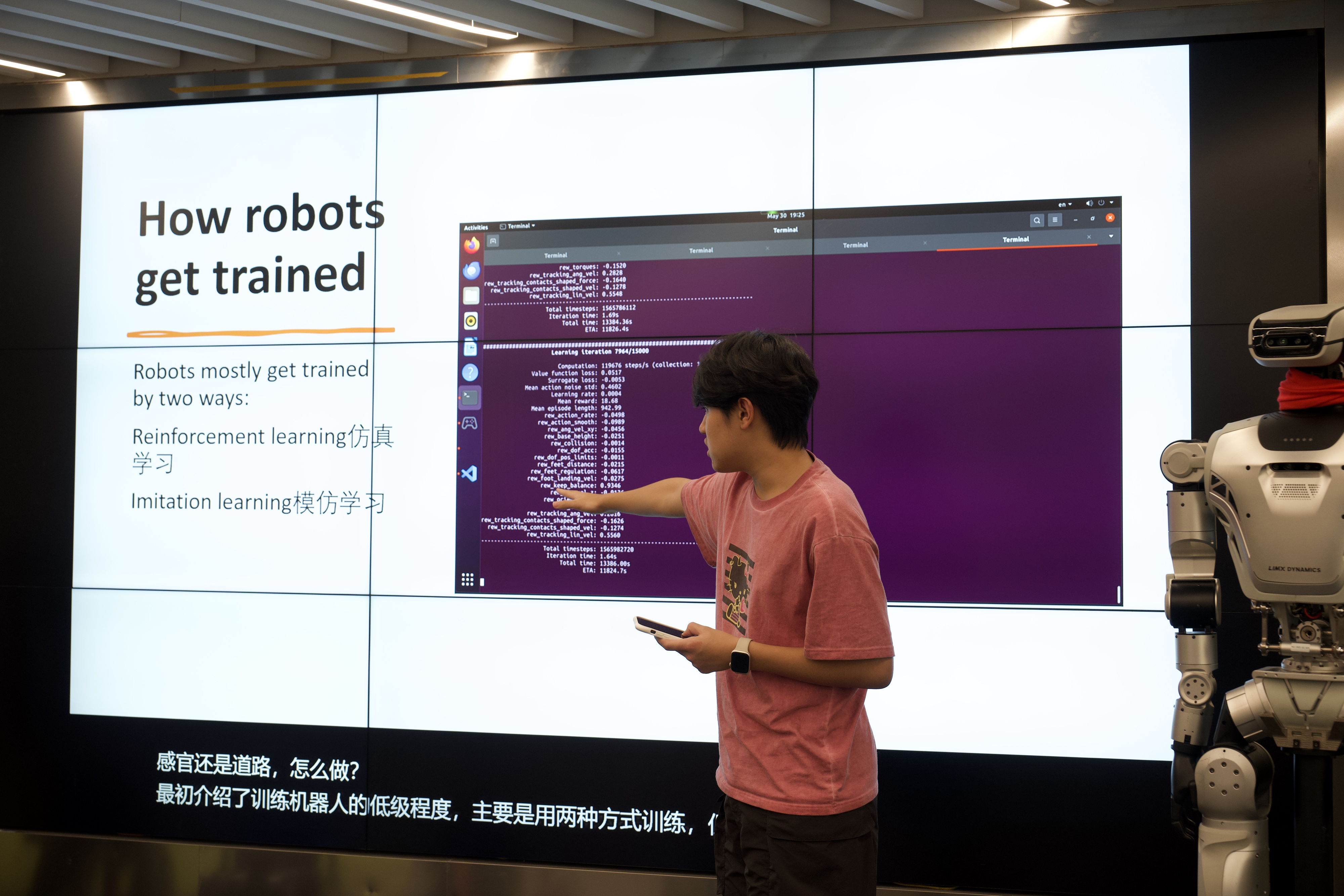
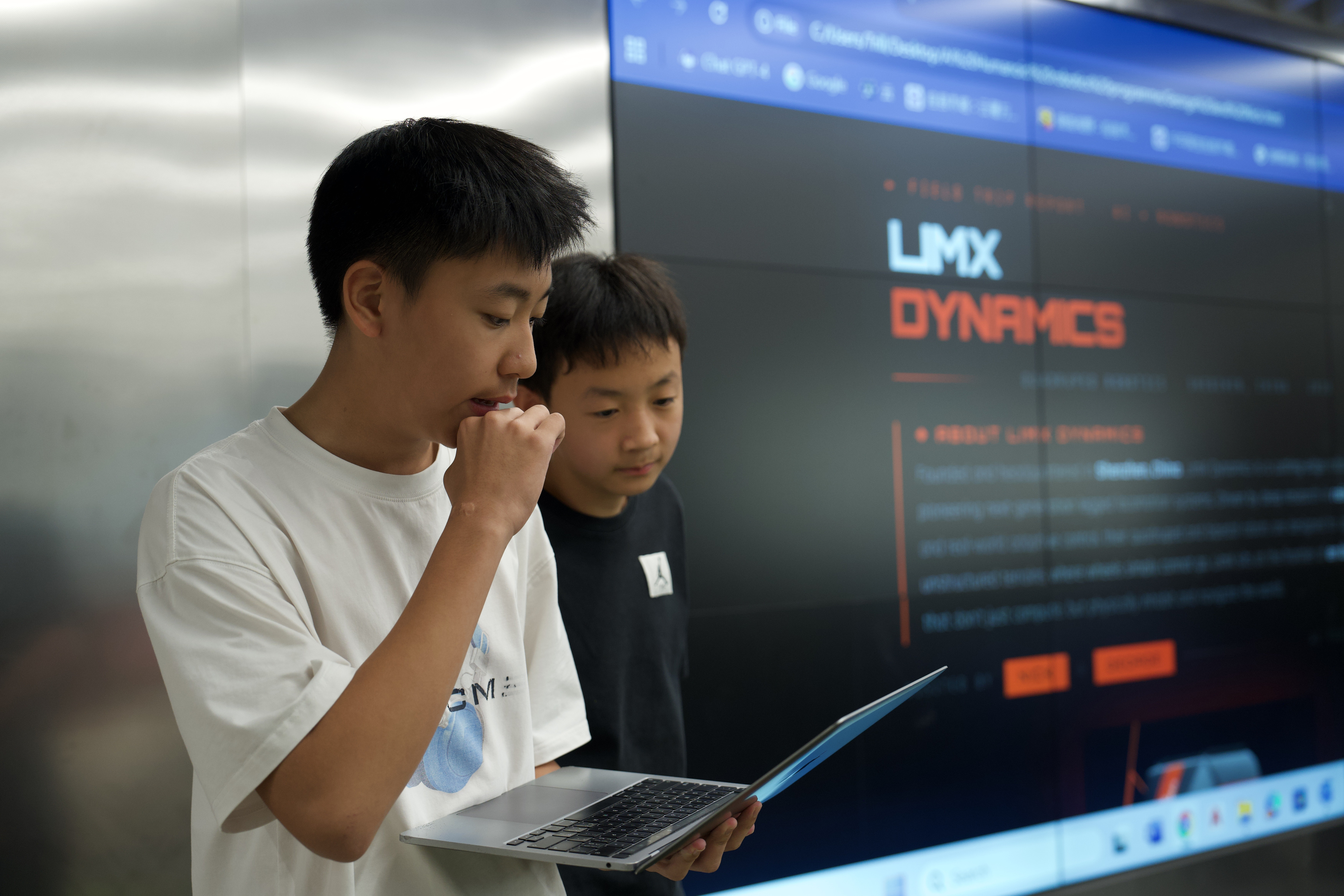
With guidance from their mentors, the students completed the programming codes and conducted overnight automated training on a cloud platform. The following day, they deployed their trained models into the TRON 2 robot and compared its performance with that of a professionally trained model. The differences were clear: in terms of motion smoothness, stability, and resistance to interference; the student-developed models had much room for improvement. This direct comparison helped the students understand that precision and iterative optimisation lie at the core of robotics technology.
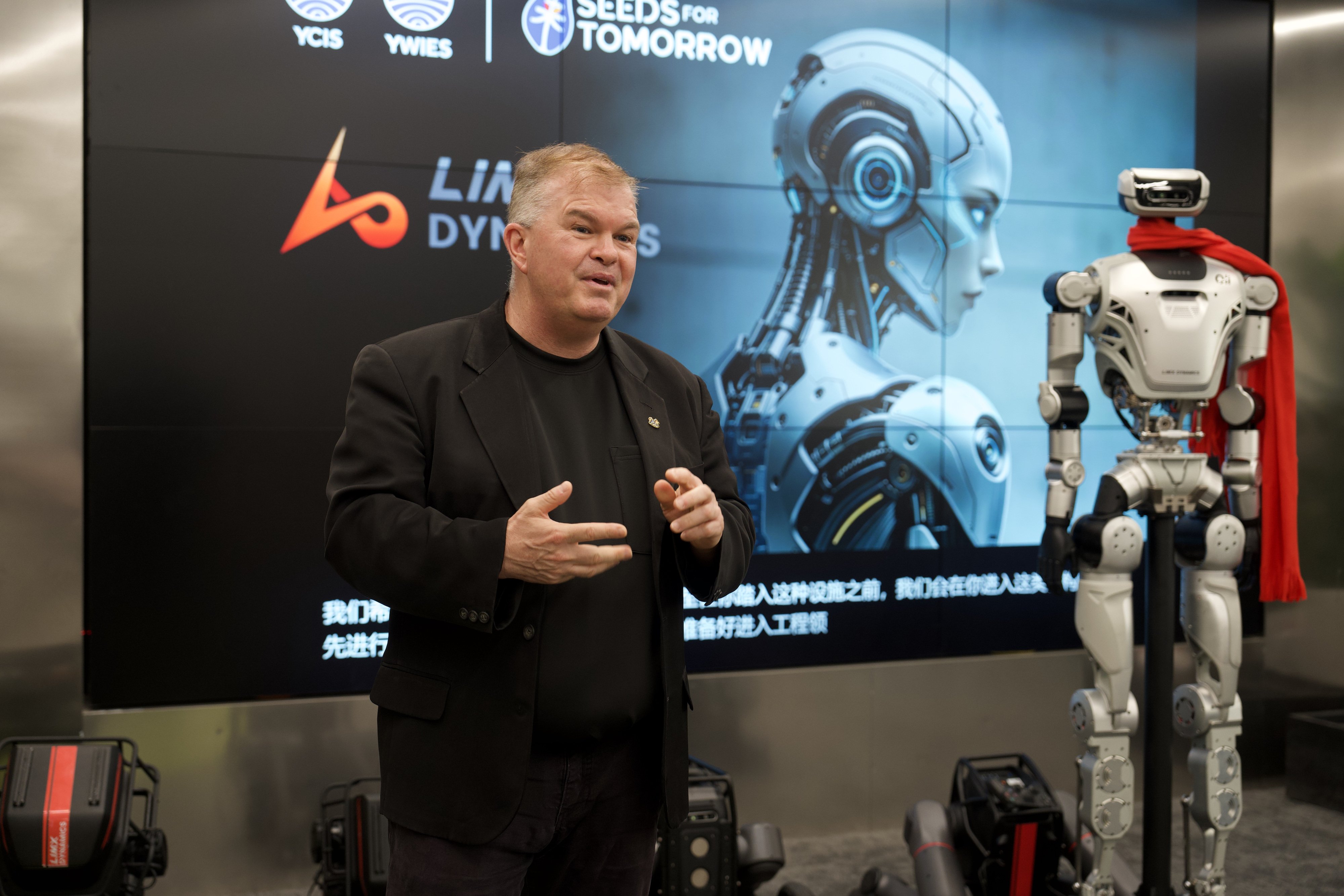
In the evenings, the engineers and the students gathered for open discussions. Professionals from across the developmental process— including prototyping, product design, R&D, ecosystem development, and marketing — shared their perspectives about the robotics industry. Encouragingly, the students asked perceptive questions that extended beyond technical matters to interdisciplinary fields. They discussed how art and design shape robotic products, how economic models influence technological development, and what ethical considerations should guide the future of AI.
One engineer shared research experiences in Europe and described how some European countries have devoted significant time and resources to guide the development of robotics and AI within clear and responsible regulatory and ethical frameworks. These conversations highlighted that technological progress is not only about capability, but also about responsibility and thoughtful judgement.
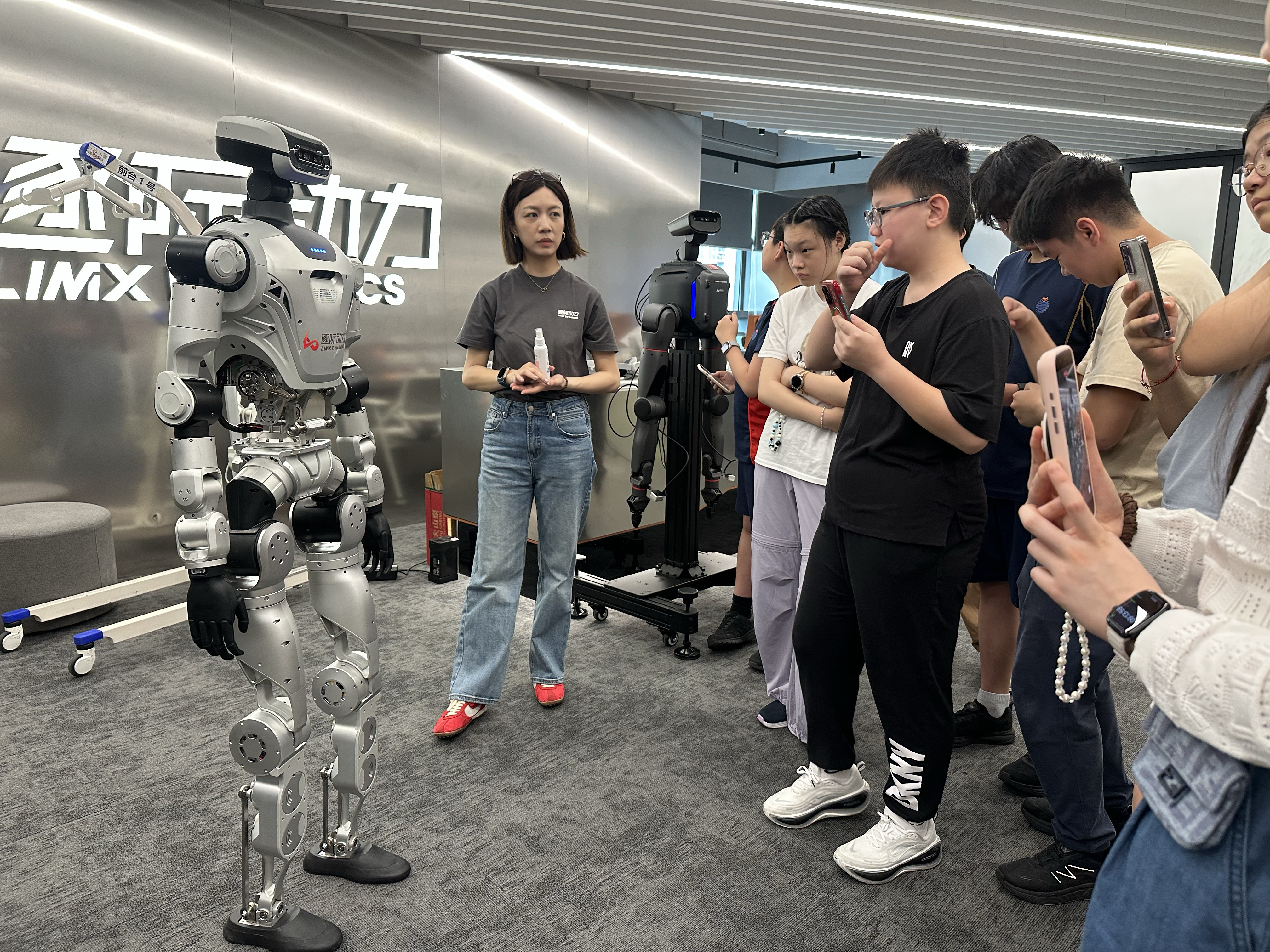
The students imagined what the robotics industry might look like in five years. Some envisioned robots assisting with household tasks, while others hoped that robots could take on high-risk roles such as firefighting or mining. As the engineers from LimX Dynamics noted, we are at a pivotal stage in the rise of the robotics industry. In the future, everyone will participate in and witness the profound changes that AI and robotics will bring globally.
At this important juncture, YCYW will begin to implement a new technology curriculum across our schools in 2027 / the 2026-27 academic year. The school’s educational transformation will move beyond stand-alone teacher training and student projects toward deeper, collaborative participation in robotics research and innovation. The focus will remain on cultivating our students’ ability to learn independently and to think critically in an evolving technological world.


YCIS Hong Kong is a Child-Safe School
Click HERE for our Child Protection Policies and Procedures
YCIS Hong Kong is a member of the Yew Chung Education Foundation (YCEF), both are registered non-profit organisations in Hong Kong
© Yew Chung International School of Hong Kong 2026. All rights reserved