


Go Back
News
School News
YCYW on the Reshaping of Education in the AI Era
School News
24 Jun, 2026
10 : 05
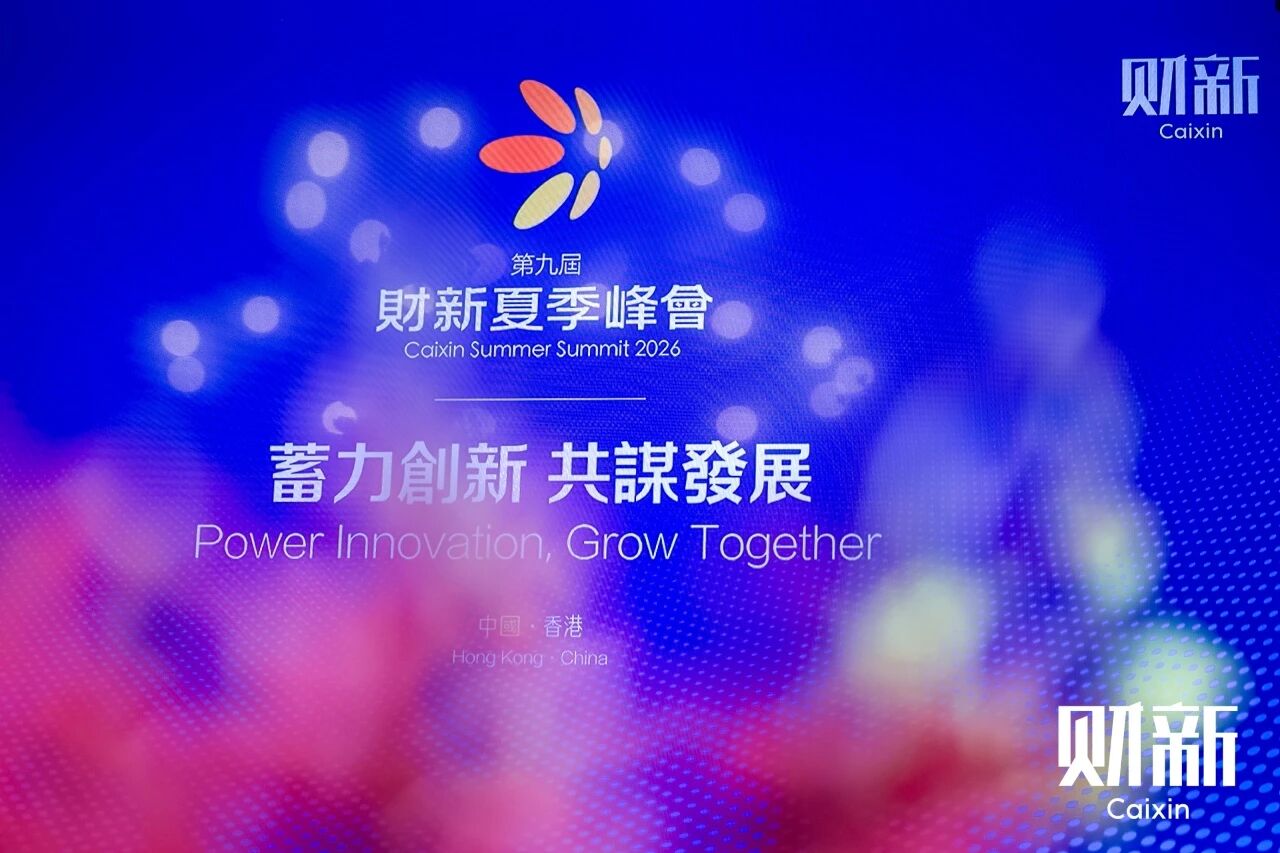
The 9th Caixin Summer Summit was held in Hong Kong SAR from 11 to 12 June. The summit, with the theme of “Power Innovation, Grow Together”, focused on key topics, including the development of the Guangdong-Hong Kong-Macao Greater Bay Area (GBA), cross-border expansion strategies, and the deep integration of AI into sectors such as education and manufacturing.
The summit brought together prominent leaders from government, academia, and the business community, including Mr Paul Chan Mo-po, Financial Secretary of the Hong Kong SAR Government; Mr Heng Swee Keat, former Deputy Prime Minister of Singapore; Mr Kelvin Wong Tin Yau, Chairman of the Securities and Futures Commission of Hong Kong SAR; and Mr Richard Haass, Honorary President of the Council on Foreign Relations. The YCYW team was invited to attend, and they engaged in exchanges with the representatives from various sectors.
Because of the combined impact of geopolitical shifts and technological waves, globalisation is now entering a new cycle characterised by "uncertainty". In the face of this unprecedented situation, education, as the cornerstone of social development, stands at a critical crossroads.
Mr Paul Chan Mo-po mentioned that Hong Kong SAR serves as a bridge connecting data resources between the Chinese mainland and the world. Driven by geopolitical changes, global AI talent, particularly Chinese scientists, are increasingly viewing Hong Kong as a vital hub. The Hong Kong SAR Government is making AI a core of its urban strategy, and the education sector in Hong Kong is likewise proactively embracing the transformative changes of the AI era.
Mr Felix Hsu, Deputy Chief Executive Officer and Chief Financial Officer of the YCYW Education Network, was invited to participate in the panel "Studying in Hong Kong SAR: AI Reshaping Education" held on 12 June. He engaged in an in-depth discussions with the guests, including Mr Jeff Sze Chun-fai, Under Secretary for Education of the Hong Kong SAR Government; Professor Cao Jiannong, Vice President of The Hong Kong Polytechnic University; Professor Wong King Hoe, Dean of the School of Governance and Policy of The University of Hong Kong; Professor Xia Zhihong, Chair Professor at the School of Science, Greater Bay University, and Vice President of the Greater Bay Advanced Research Institute; and Ms Joleen Liang, Co-founder and International CEO of Squirrel AI.
Drawing on YCYW’s cutting-edge AI practices and its nearly century-long educational heritage, Mr Hsu systematically explained how education can return to its fundamental purpose of nurturing students. He also analysed how the role of teachers is transforming; the importance of digital safety for young people; and how the Chinese mainland and Hong Kong SAR can collaborate effectively for mutual progress, jointly exploring the anchor points for education amid the AI surge.
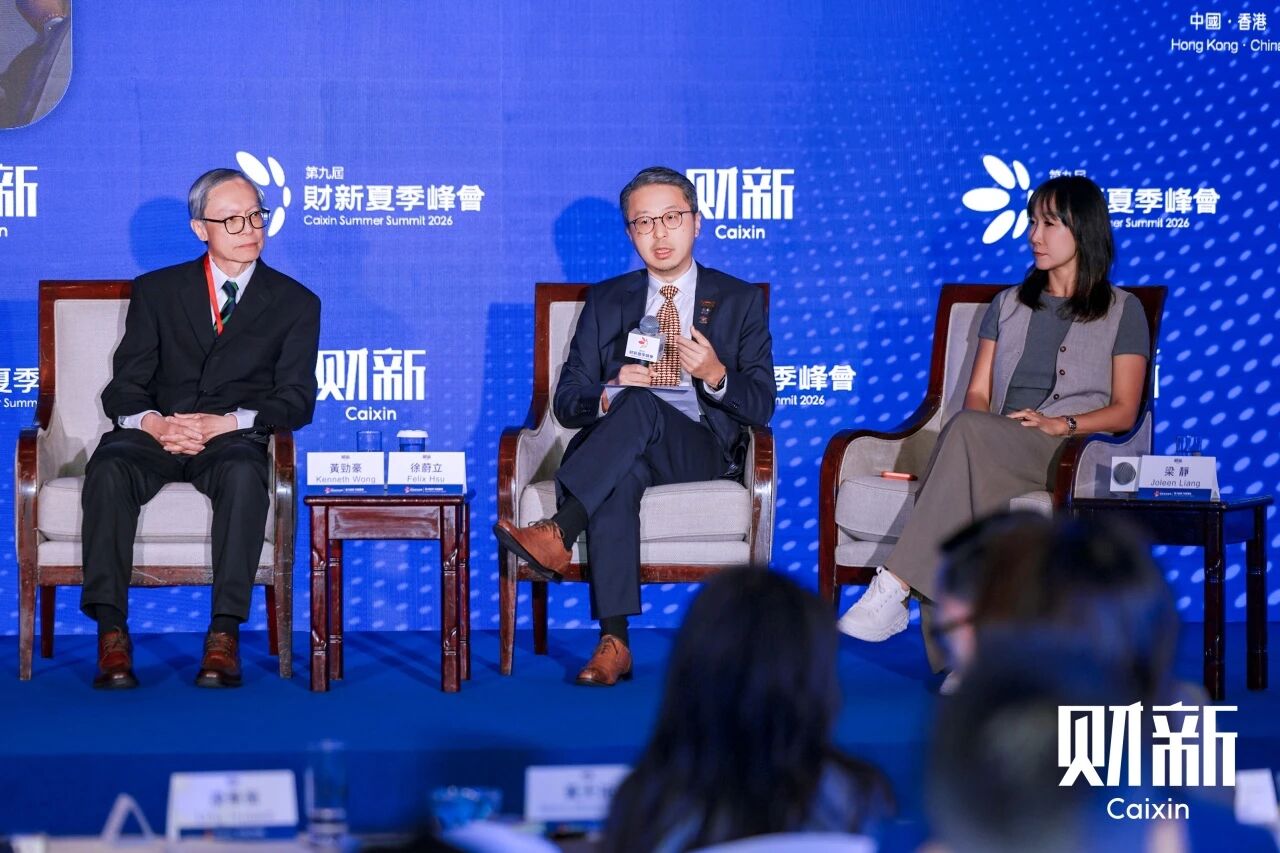
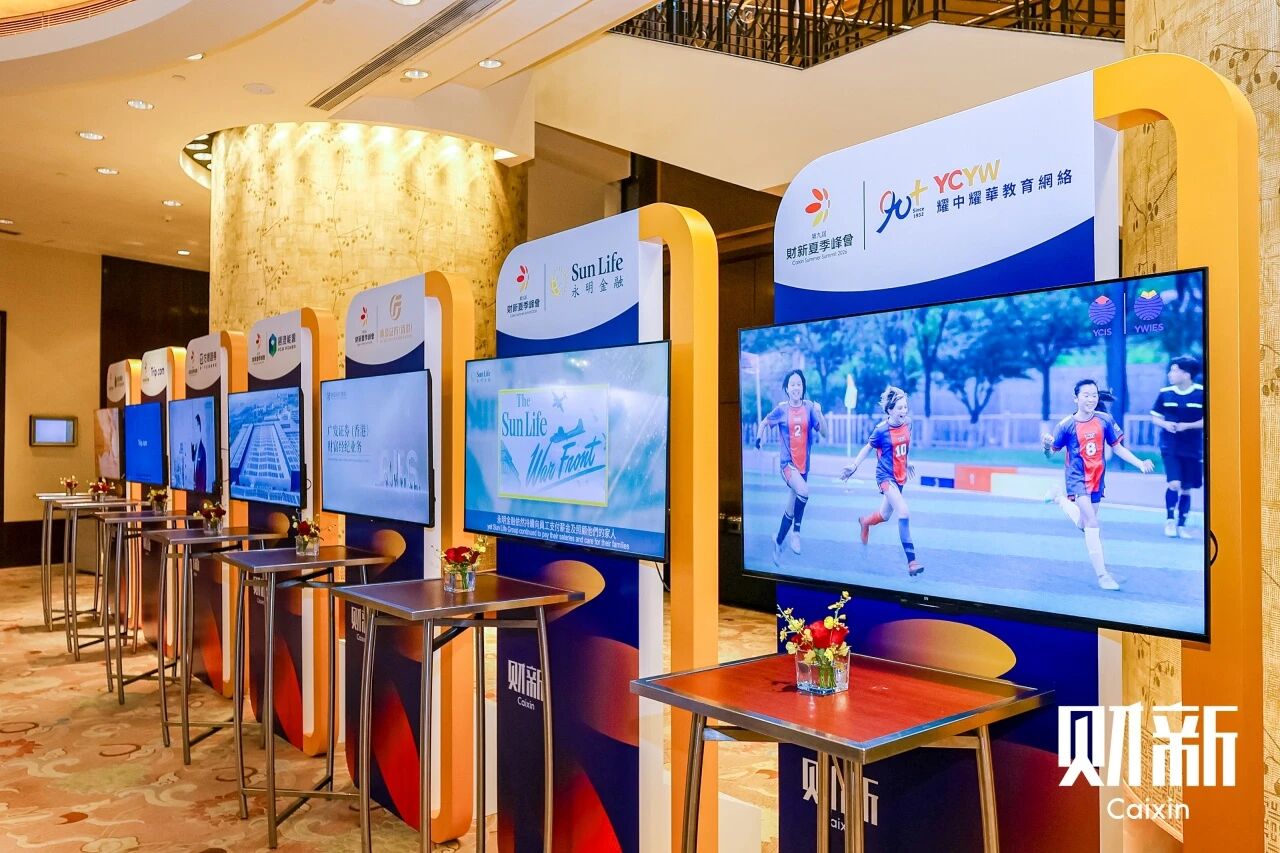
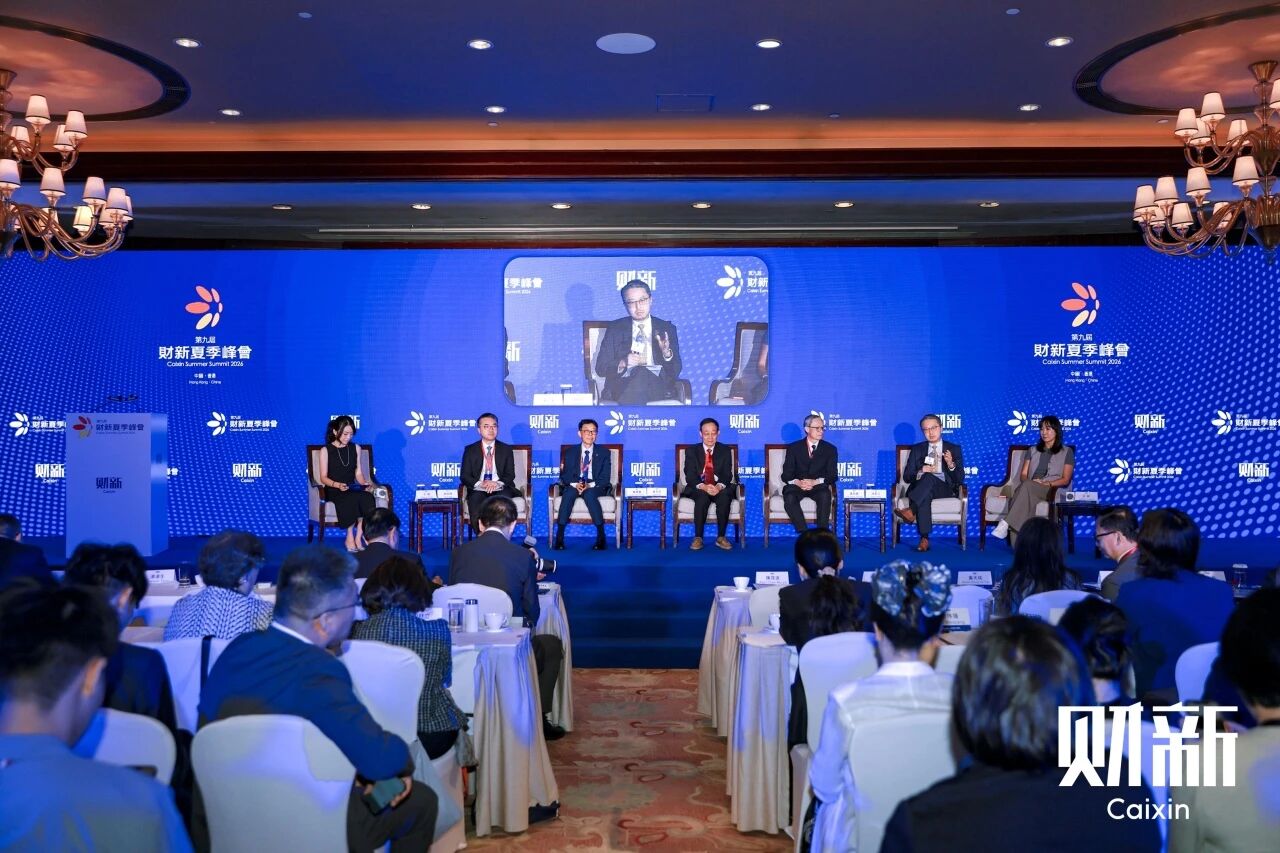
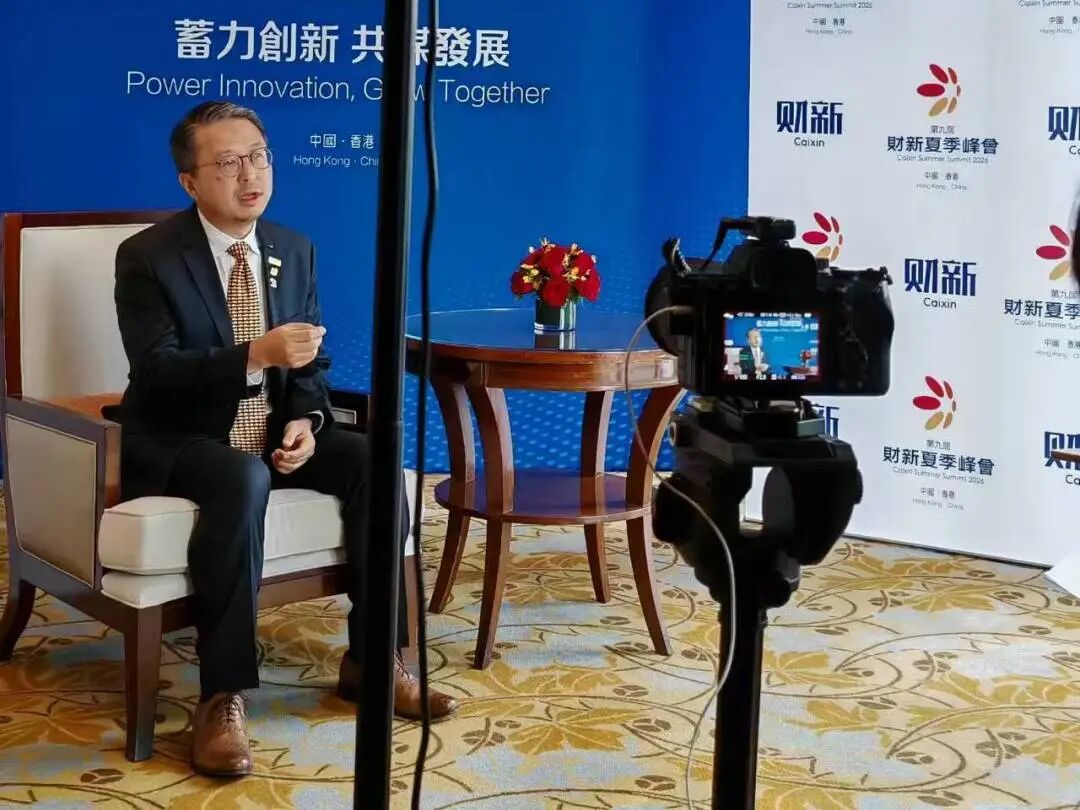
At an unprecedented pace, generative AI is now disrupting traditional ways of acquiring knowledge. Against this backdrop, the underlying logic of education is undergoing a profound shift. At the summit, Mr Hsu posed a resounding fundamental question: "If AI can answer everything, why do we still need to learn?"
He believes that the core functions of education are undergoing profound transformations in three dimensions: shifting from transmitting knowledge to cultivating judgement; moving from standardized training to self-discovery; and transitioning from short-term understanding to life-long learning.
Using the Future School project at YWIES Zhejiang Tongxiang as an example, Mr Hsu elaborated on how YCYW encourages and guides students to continuously interact with the world, and in the process, gradually develop a genuine understanding of themselves and society as they grow. "At YCYW, we remain steadfast in our commitment to holistic education. We focus not only on what students can do, but more importantly, on the kind of people they can become."
He specifically mentioned a 2026 graduate who had been studying at YCYW schools since early childhood and was ultimately admitted to both Harvard University and Stanford University for environmental engineering. This achievement was not only an academic success, but also the result of holistic education—evolving from campus environmental initiatives to community practice, and ultimately to deciding a lifelong goal.
When discussing the impact of AI on teaching models, Mr Hsu clearly pointed out that the greatest change brought by AI in the classroom lies in who is guiding the learning. He proposed that the role of teachers must transition from traditional lecturers to three new roles: Learning Designers; Learning Mentors and Companions; and Guides for Values and Direction—roles that AI cannot replace.
“AI can improve the efficiency of education, but nurturing individuals must always be accomplished by teachers," Mr Hsu emphasised. "In human-AI collaboration, AI is responsible for efficiency and scale, while teachers are responsible for meaning and humanity.”
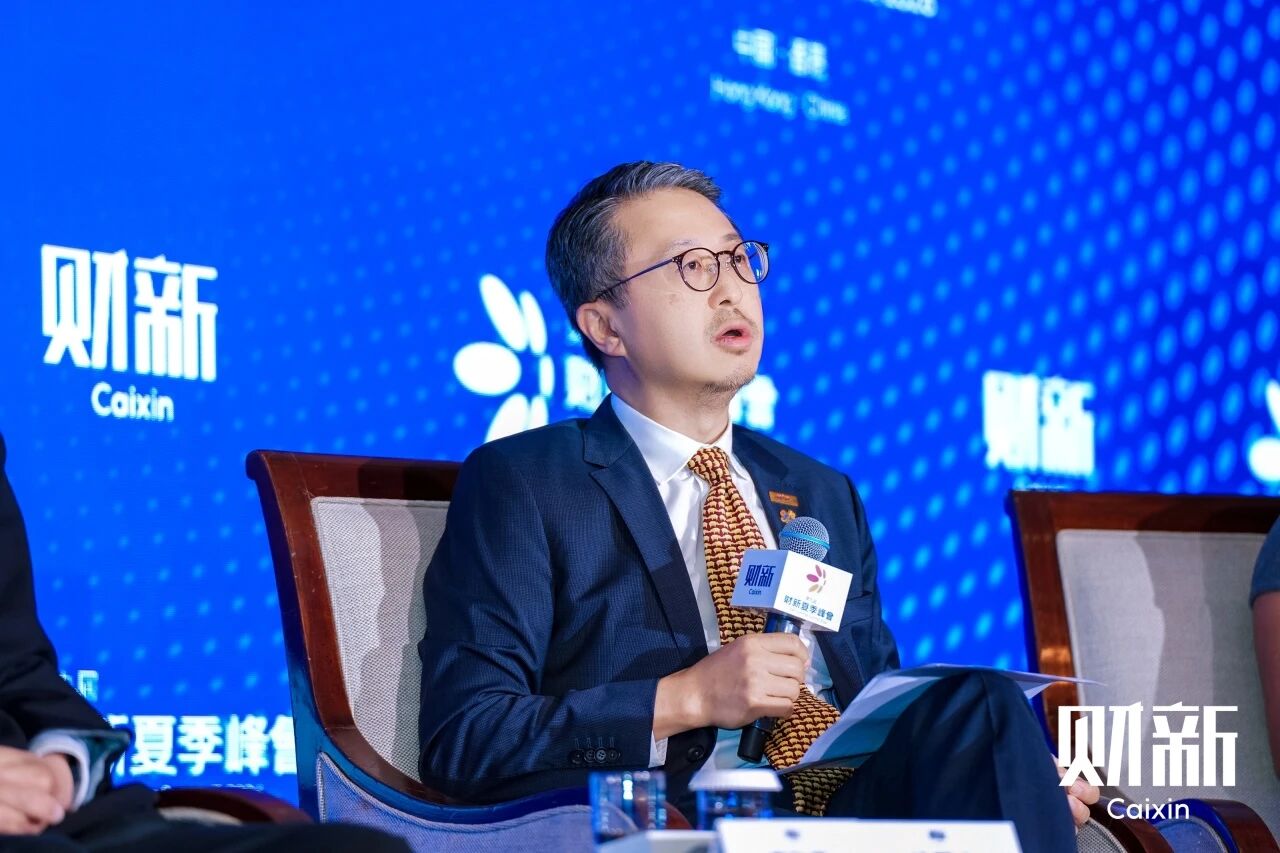
Mr Hsu, as a representative of an education network operating across both the Chinese mainland and Hong Kong SAR, offered unique insights into the "AI+Education" synergy between the two regions. He noted that the Chinese mainland is advancing rapidly in AI education applications, achieving immense scale and diverse scenarios, while Hong Kong SAR is more developed in aligning its curriculum with international standards and establishing ethical norms. "We see this difference not as a gap, but as a complementary dynamic," he said.
To this end, Mr Hsu proposed three priority areas for collaboration: curriculum co-development, thereby integrating the Chinese mainland's AI general education experience with Hong Kong SAR's international curriculum; teacher exchanges, enabling frontline educators to learn from one another through real teaching cases; and student project-based learning, promoting cross-regional collaboration among students to solve real-world issues such as sustainable development.
Mr Hsu revealed that YCYW is now systematically advancing its "AI Reading Companion" project, positioning AI as a learning partner rather than a replacement tool. The goal is to improve the students' questioning skills and their critical thinking.
On the same day as the event, Mr Hsu also granted an exclusive interview to Caixin, systematically analysing the impact of AI on education and the core AI literacy required for future talents.
Mr Hsu said that cultivating AI literacy goes beyond technical understanding; it should also emphasise five core human skills: the ability to ask questions; critical thinking; cross-cultural understanding; creativity; and a sense of responsibility. He specifically noted that YCYW’s establishment of its Safeguarding and Inclusion Division has been designed to ensure that students possess discernment and responsibility in the digital world amid challenges such as algorithmic fairness and digital addiction. As a result, technology will be a catalyst for personal growth rather than a hindrance.
"In the future, what truly matters is not merely those who can use tools, but those who can ask questions, think independently, collaborate with others, and take responsibility," Mr Hsu concluded. “AI should not be seen as a shortcut, but rather as a catalyst to help students navigate their growth process. The true meaning of education has never been only about finding answers, but about understanding the world, establishing one's identity, and serving society through continuous exploration."



YCIS Hong Kong is a Child-Safe School
Click HERE for our Child Protection Policies and Procedures
YCIS Hong Kong is a member of the Yew Chung Education Foundation (YCEF), both are registered non-profit organisations in Hong Kong
© Yew Chung International School of Hong Kong 2026. All rights reserved