


Go Back
News
School News
YCYW Reading Week 2026: Experiencing the Joy and Richness of Reading
School News
27 May, 2026
09 : 51
World Book Day occurs annually on 23 April to encourage reading worldwide. Since 2023, YCYW Education Network has dedicated the entire week in which 23 April falls to celebrate reading across all campuses. Taking the ethos of World Book Day as a guiding principle, we integrate global perspectives with our daily educational practices.
The YCYW Reading Programme is a sustained, long-term initiative. Led by the Academic Quality Assurance & Development Division (AQAD) and developed through close collaboration with experienced educators, the programme connects students across all age groups, campuses, and disciplines. Inter-campus events create a vibrant reading community, integrating literature, science, and the arts to enrich learning by reading books.
As Dr Troy Lui, Leader of the YCYW Reading Programme Team, has noted: “Our goal is to instill a culture of reading within the schools, whereby both students and teachers enjoy reading. Without this collective passion for reading, all educational ideas and methodologies will lack the necessary foundation and vitality to succeed.”Through this programme, YCYW hopes that students could find, within the worlds that the books create, the keys to understanding themselves, connecting with others, and exploring the future.
As in previous years, all YCYW campuses hosted engaging reading activities during Reading Week 2026 to promote a reading culture. We invited both students and their families to experience firsthand the joy and richness of reading. The events proved that books can serve as a bridge, linking the past and the future; East and West; and the individual with the broader world.
We once again spoke with Dr Troy Lui and Ms Yao Xu, the founders and leaders of the YCYW Reading Programme. They shared their reflections about the programme and reading itself in the context of the AI era.

Dr Troy Lui

Ms Yao Xu
Q1: Please provide an overview of the YCYW Reading Programme and Reading Week 2026
We are delighted to see that nearly all campuses have continuously refined their reading initiatives during the past four years. The activities have included:
--Inviting parents to participate;
--Offering professional reading guidance;
--Combining intensive and extensive reading approaches;
--Showcasing student work;
--Establishing reading incentive projects;
--Organising diverse reading activities;
--Developing curated lists of book recommendations;
--Providing dedicated reading lessons;
--Setting annual reading themes;
--Tracking the number of books that students read;
--Maintaining individual reading portfolios;
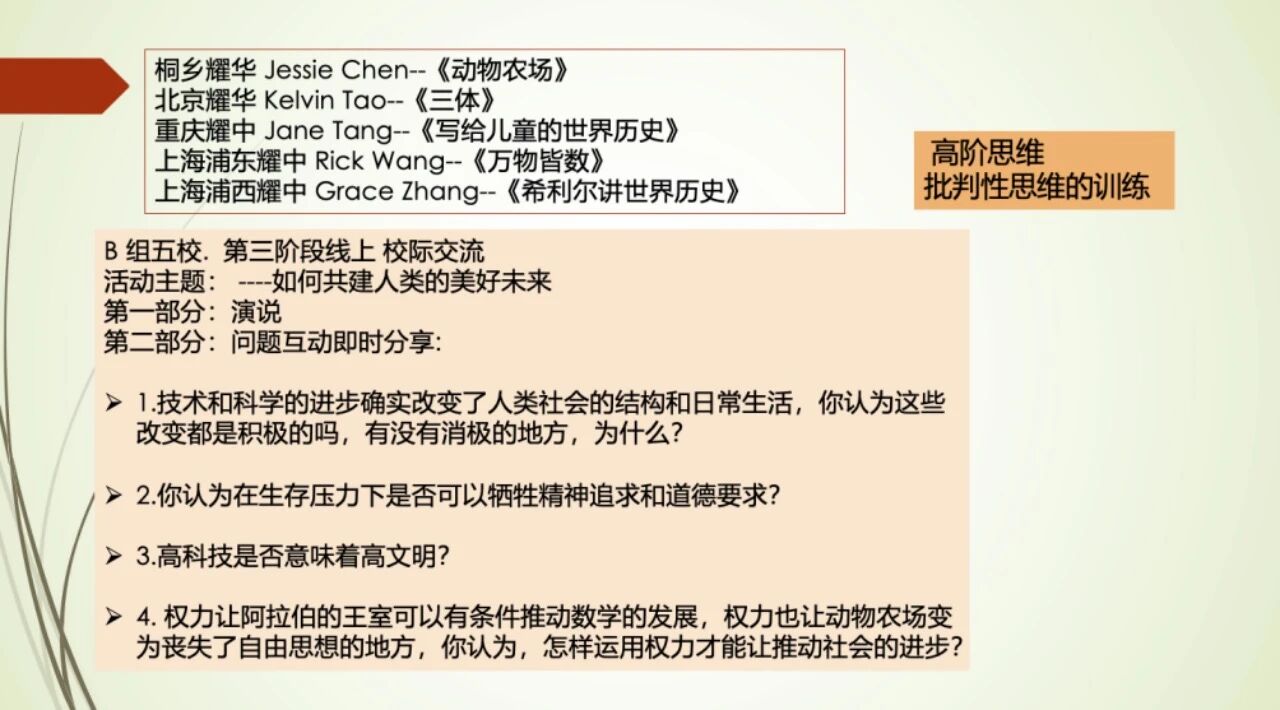
--Facilitating inter-campus exchanges to assess reading progress.
These measures have formed a multifaceted and integrated strategy to promote reading.
This strategy features a consistent schedule and a rich variety of engaging activities. It is also supported by effective monitoring methods and motivational incentives, creating a complete, self-reinforcing system.
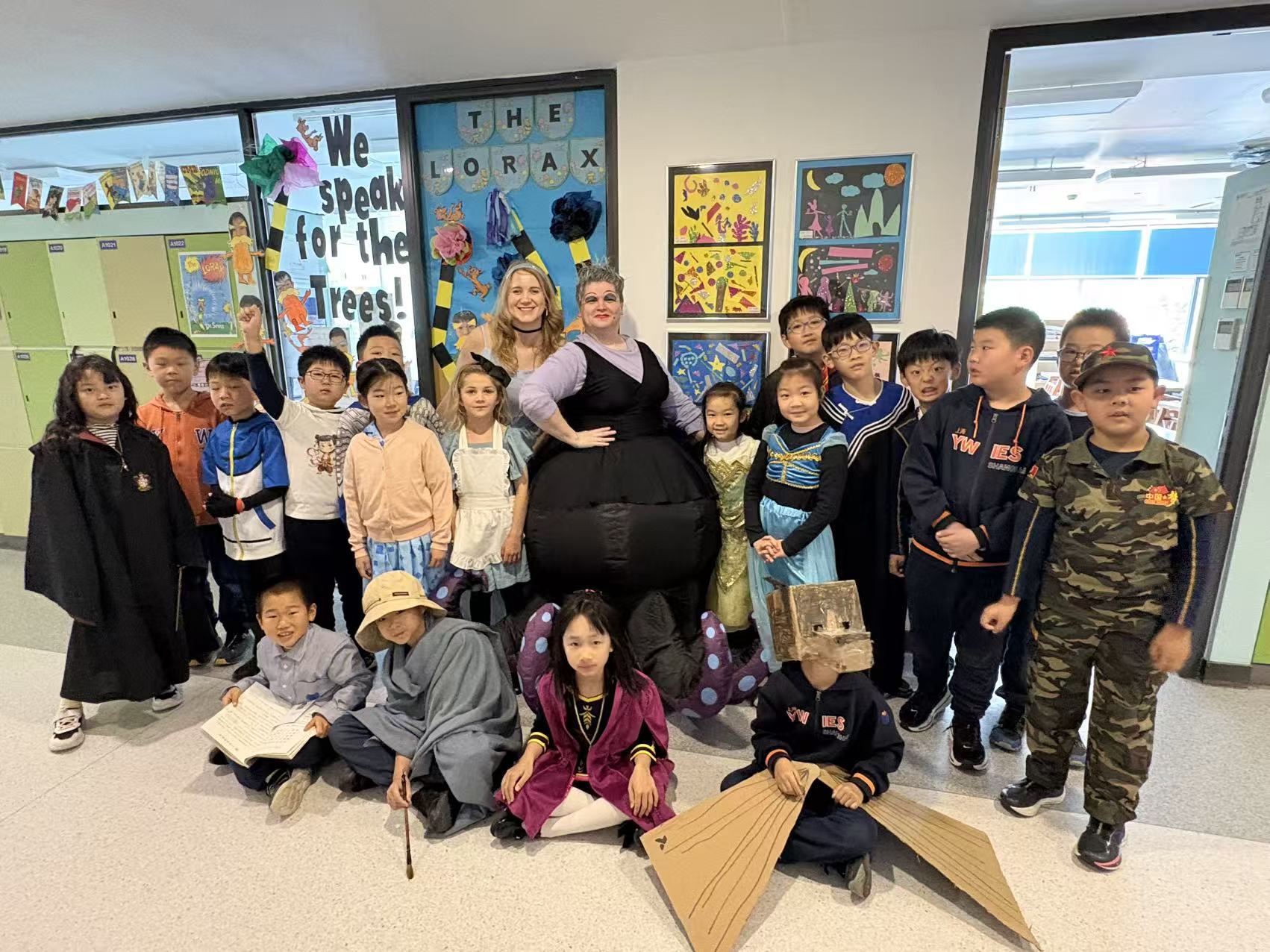
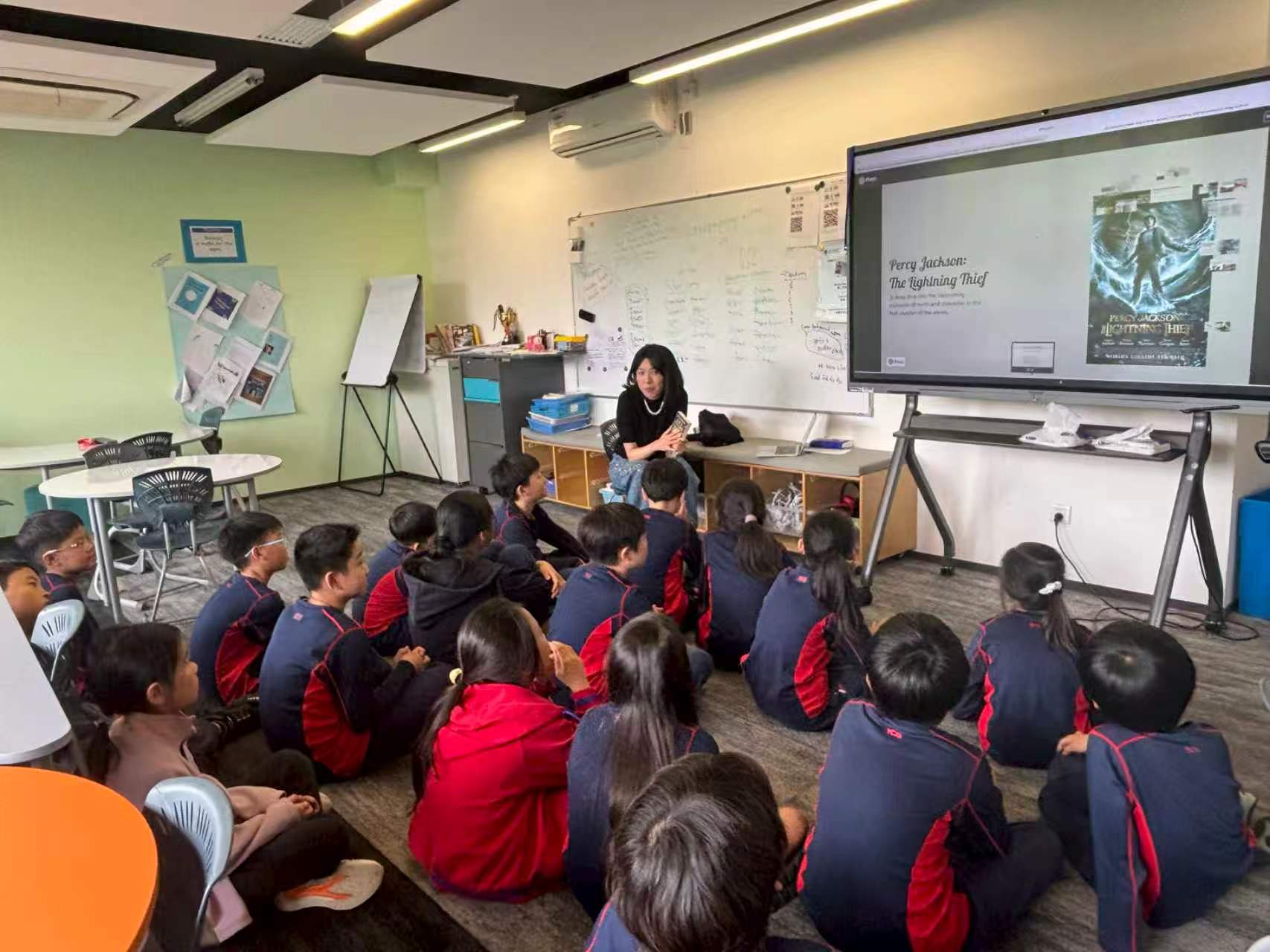
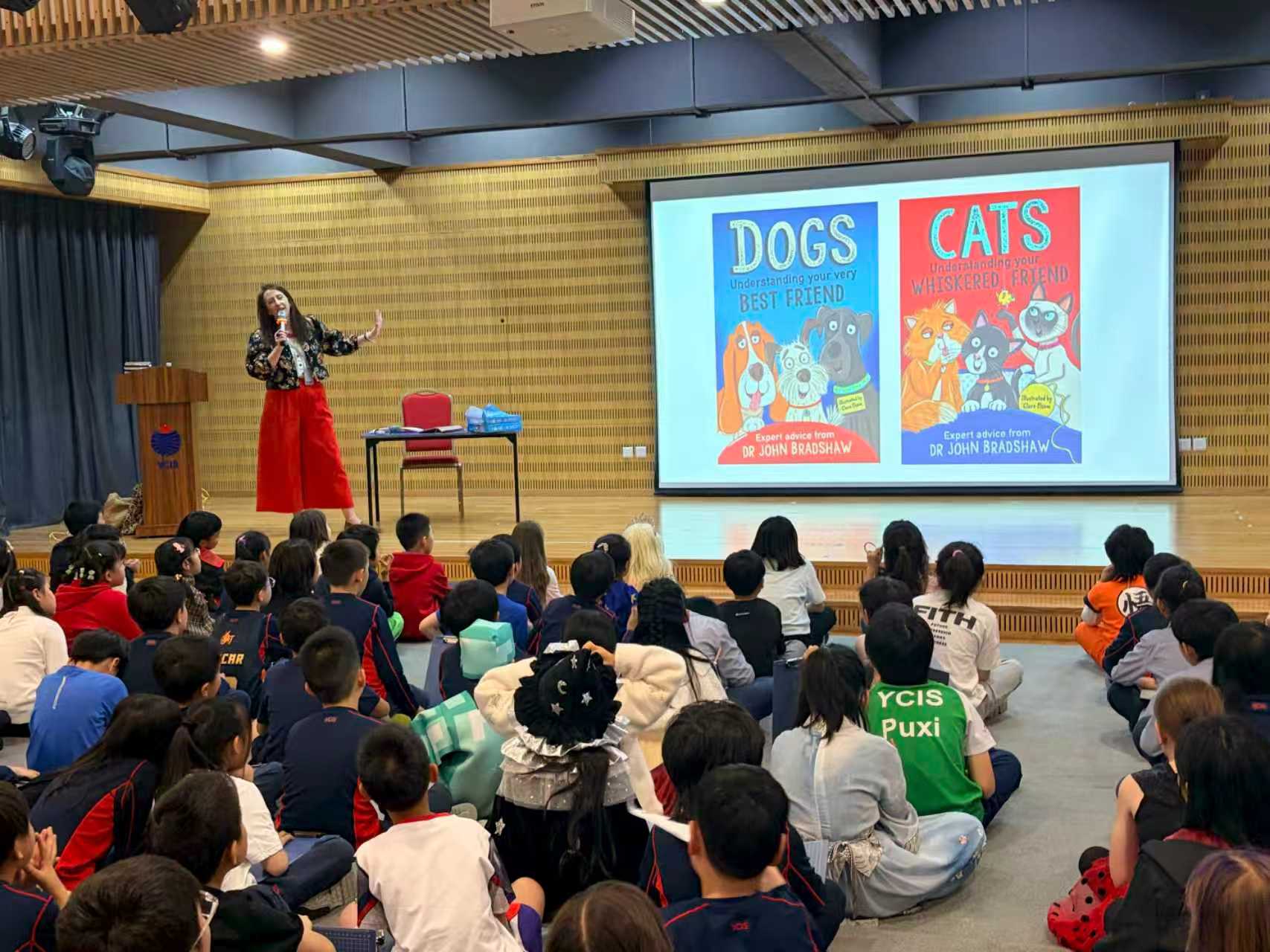
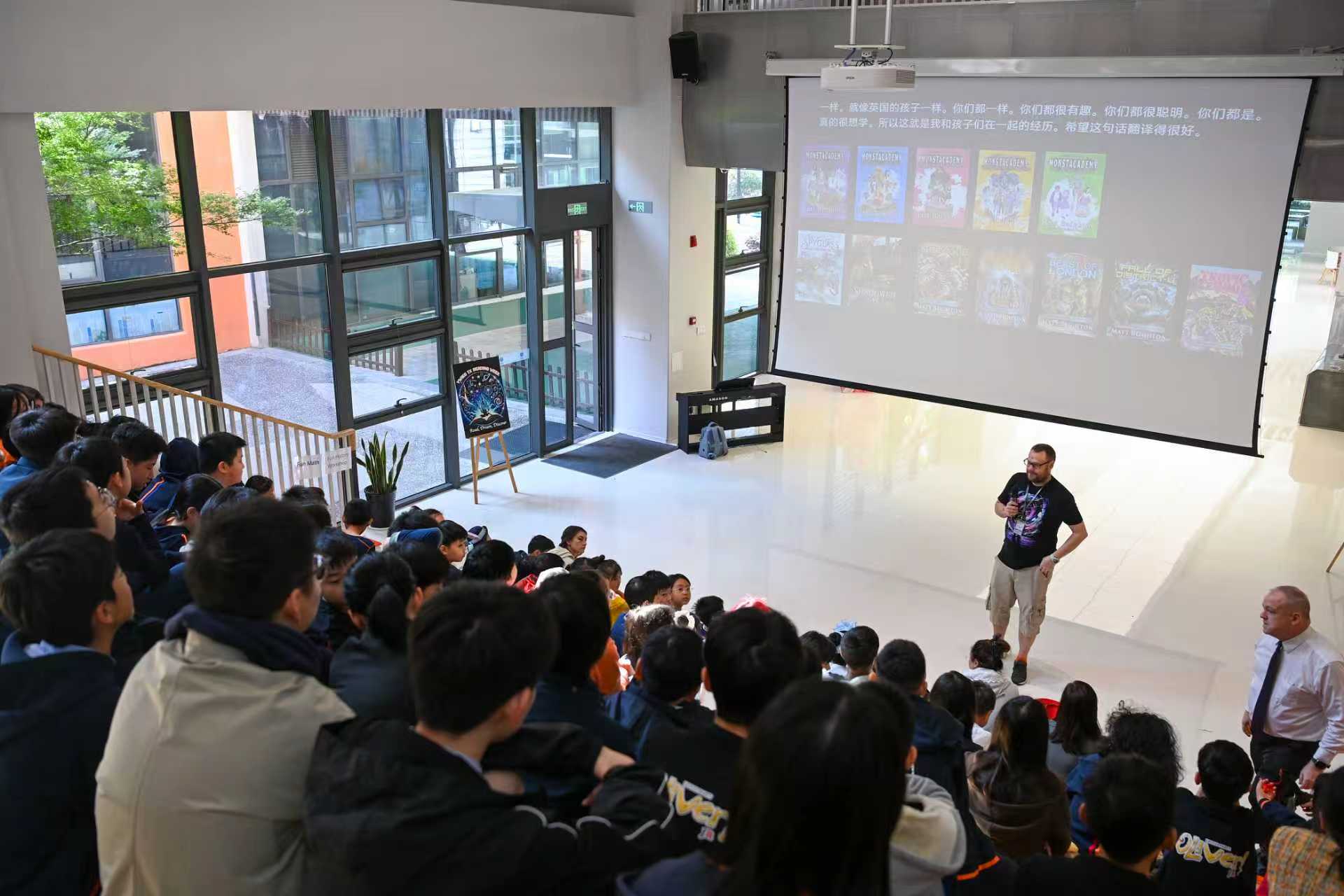
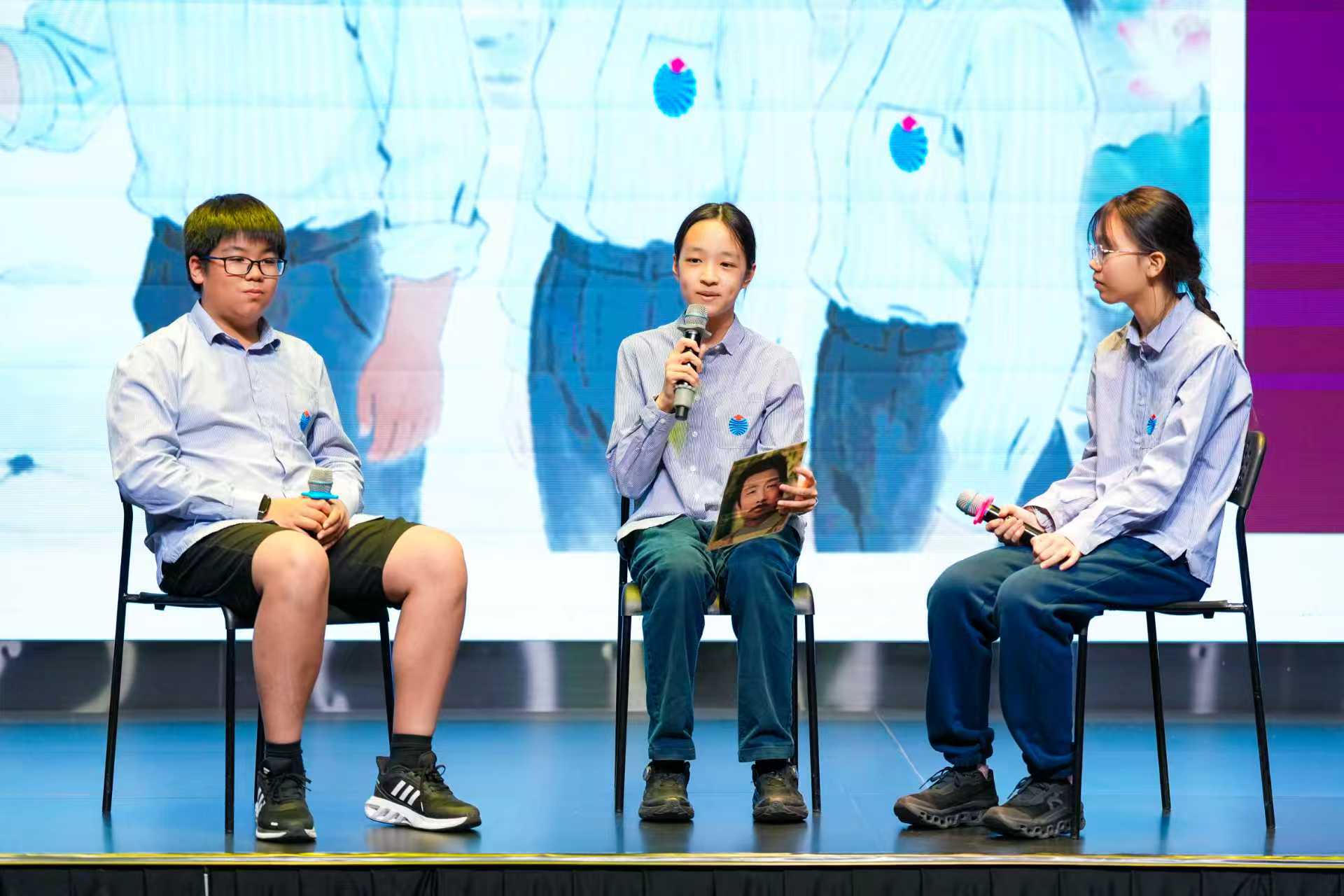
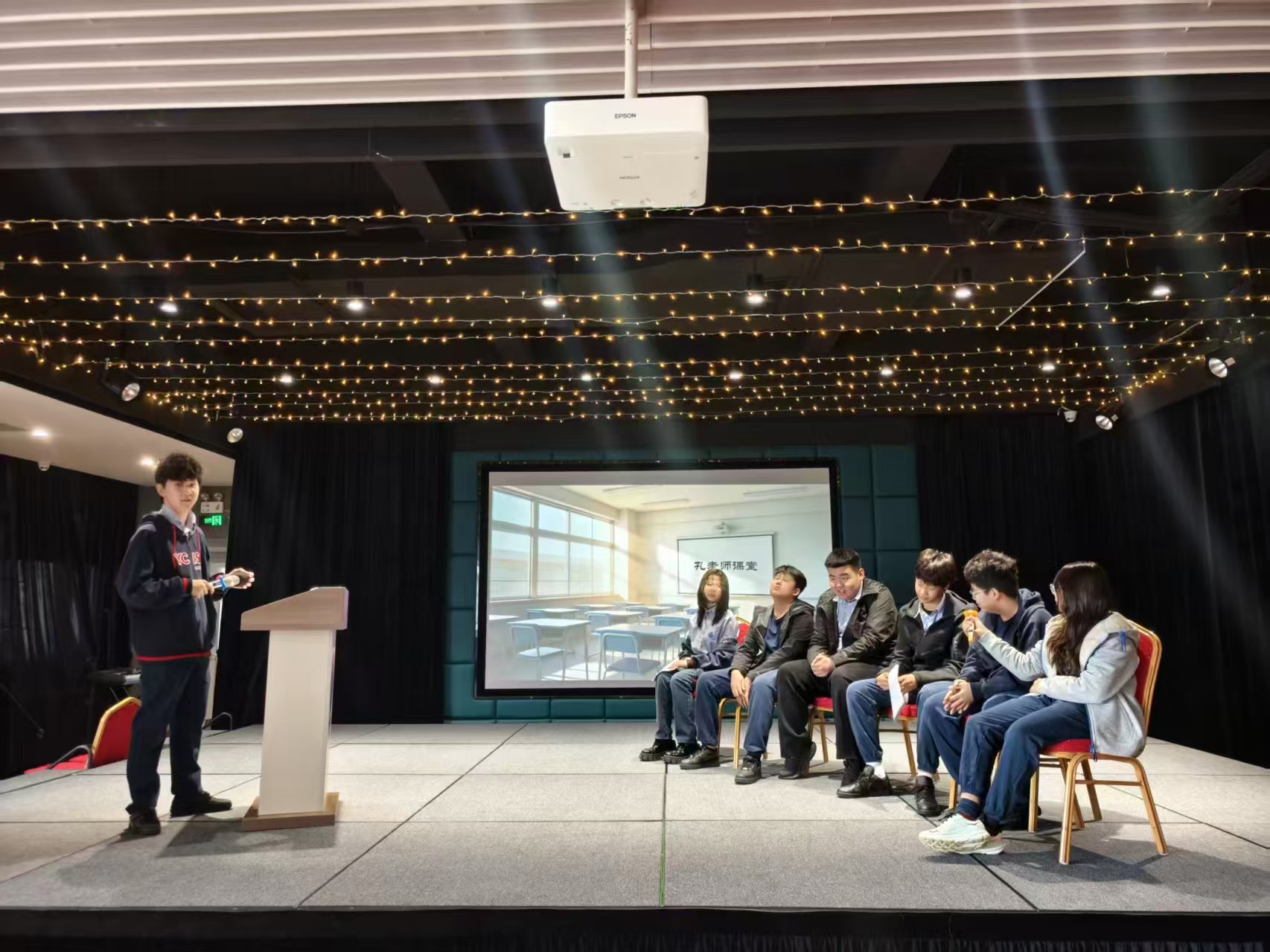
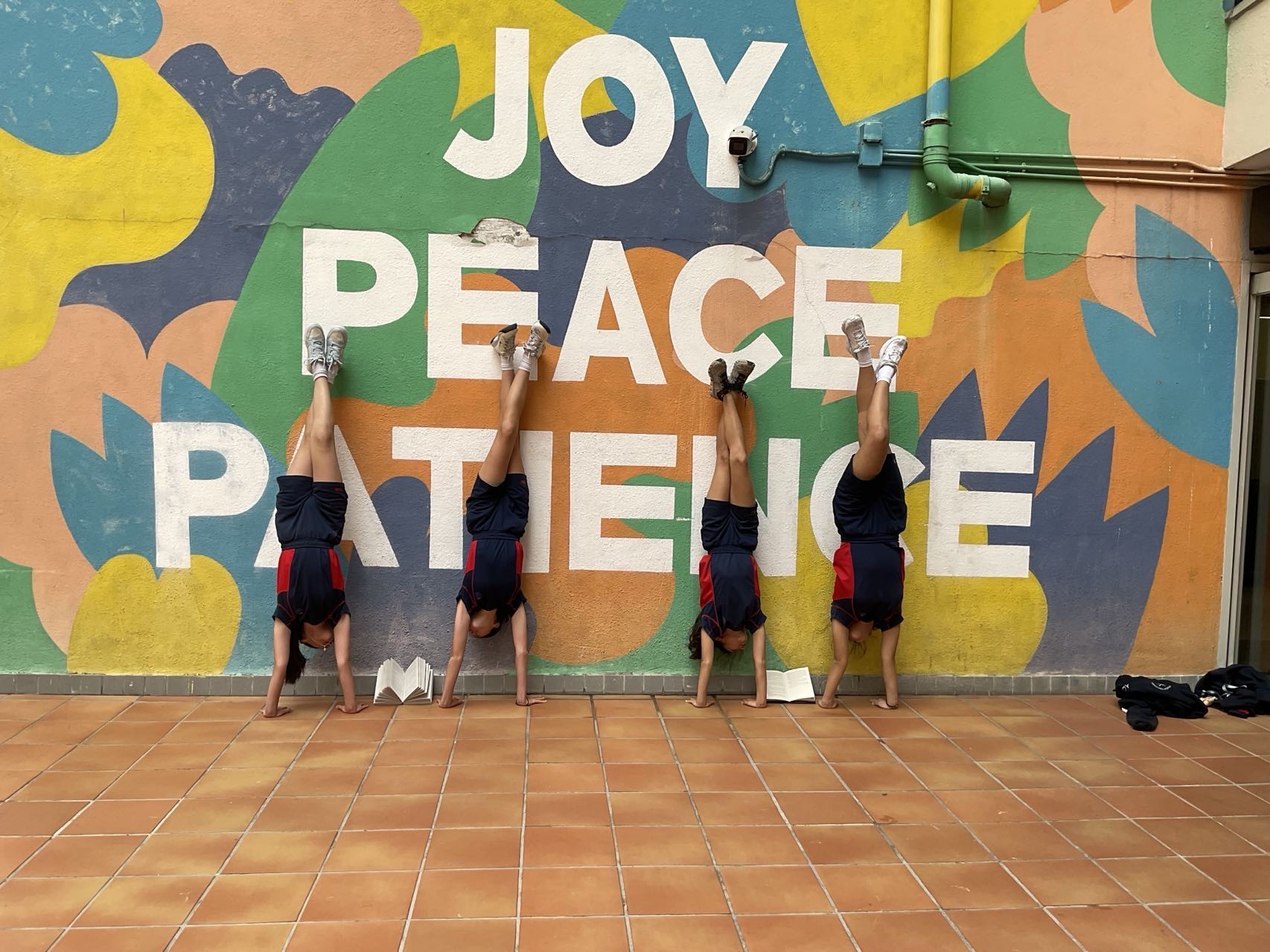
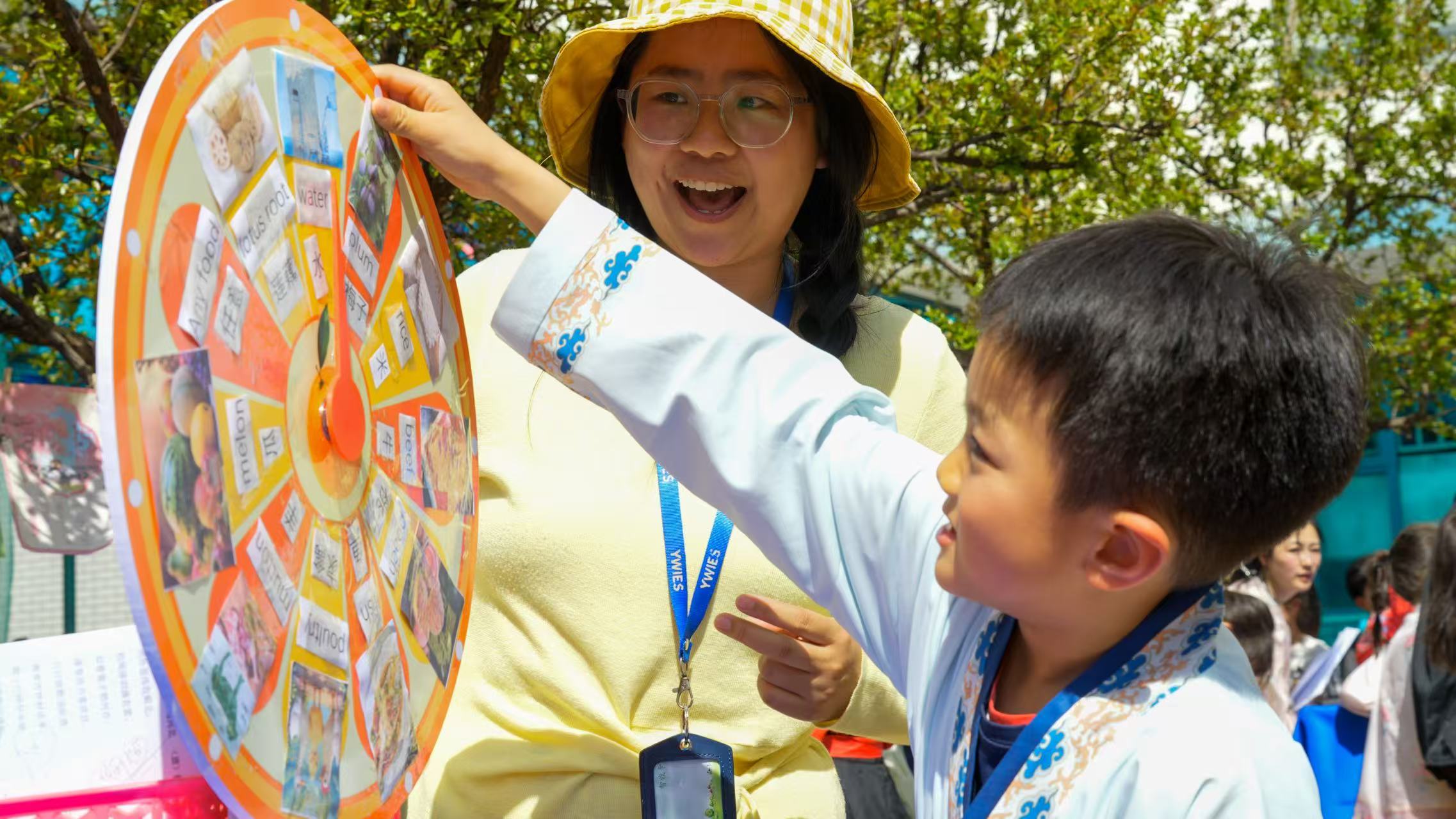
This year’s Reading Week followed the same overall framework of previous years. During Reading Week, each campus held an annual selection and award ceremony for its “Reading Stars”, and organised a series of celebratory activities, such as engaging in the “Battle of the Books”, dressing up as favourite literary characters, decorating classrooms and doorways with displays featuring reading themes, inviting authors to our campuses, and staging joint exhibitions of our students’ reading achievements in both Chinese and English.
These activities recognise and celebrate the students’ enthusiastic reading during the year, and serve as a vibrant platform for students to share and exchange their reading achievements.
In addition, the activities strengthen the campus reading culture, enabling students to experience the joy and enrichment of reading.
Q2: In the age of AI, do reading and the reading programme have new significance?
We promote extensive reading to cultivate the broad perspectives and critical thinking skills of our students. Through a sub-initiative involving AI-assisted reading, we guide students to overcome intellectual inertia. By encouraging the students to actively ask questions, and by having AI pose probing follow-up questions, we help them learn to shift viewpoints and develop multidimensional, reflective, and creative thinking. This process also nurtures their ability to examine diverse perspectives, values, and cultures with discernment.
In an era where AI often seems to understand us better than we understand ourselves, reading entire books is no longer merely about acquiring information, it has become an act of safeguarding the sovereignty of our minds and thoughts. We engage in dialogue with machines to expand the horizons of our understanding; yet it is through deep, sustained reading of whole texts that we anchor and fortify the foundations of our own thinking. Only in this way can we preserve a mind that remains free, profound, and unshaped by algorithms amidst the surging tide of digital information.
Q3: How can digital technologies, including AI, support reading and learning?
We have recommended a wide range of non-fiction texts to our students. The application of AI not only helps reduce the teachers’ workloads. It is also driving a profound transformation in pedagogical approaches. With AI assistance, we aim to cultivate the students’ ability to engage in lifelong, self-directed reading, guiding them to collaborate with AI as a tool, rather than becoming dependent on it.
Moreover, AI-generated “Cognitive Engagement Reports” provide teachers with valuable data, enabling them to offer students more targeted, differentiated instructional support and timely interventions.
Overall, feedback from both teachers and students has been very positive. During recent school visits, we heard directly from students who remarked that having AI interaction while reading “helps clarify difficult parts and organise my thoughts”. In written reflections, some students described AI as a kind of “logic checker”, a tool that helps sharpen the clarity of their questions and structure their chains of reasoning.
Nevertheless, a few students also noted that this interactive approach increases the cognitive load: “It’s always making me think, it’s a bit tiring and sometimes frustrating”.
Q4: What new themes or directions will the YCYW Reading Programme explore next?
The YCYW Reading Programme is structured across three developmental phases:
Phase One promotes reading as distinct subject areas within Chinese and English contexts.
Phase Two includes both languages to jointly advance literacy in a coordinated, bilingual approach.
Phase Three evolves the programme toward self-directed, inquiry-based reading across all disciplines.
We are currently developing AI-powered reading support tools, designed to empower students to engage in personalised, interdisciplinary, and deep reading experiences.
At the same time, we aim to further refine these tools and encourage teachers to delve into emerging pedagogical questions, such as:
How can we more effectively guide students toward deep reading with AI assistance?
How can we deliver more precise, differentiated support tailored to individual learners?
The age of AI is already upon us, and it is inevitably driving revolutionary changes in how learning happens. In a sense, AI is becoming the “digital twin” of the teachers. This raises fundamental questions: What should AI do? What should students do? And what role should teachers play?
These are not merely technical issues; they are crucial, collaborative challenges that we must actively explore and address together through practice.
Q5: Have teachers and students benefited or grown through this programme?
The benefits and growth experienced by both teachers and students are first evident in the nourishment that reading across a wide range of genres brings to knowledge acquisition and moral development.
Through carefully curated annual reading events, we bring teachers together to collaboratively discuss, design, refine, and reflect on their practice. This ongoing process advances our exploration and implementation of “big concepts”, as well as interdisciplinary. and project-based teaching. Our goal is to stimulate deeper thinking and to cultivate multifaceted competencies among students.
The “big concepts” and their core issues refer to the enduring, fundamental logic that can transcend disciplines, time, space, and cultures, and has high transferability. They are a key coordinate that provides students with a sense of direction and judgment in an era of fragmented information, rapid world change, and rapid development of AI technology. We often use big concepts to foster inter-campus dialogue and deepen engagement with books.
We have also created an online reading space using Padlet, encouraging students to present their reading achievements in diverse and creative formats. Here, students can showcase their talents and originality, appreciate and comment on each other’s work, express independent viewpoints, and most importantly, learn from one another through interactions.
Q6: A Message to Teachers and Students
Nowadays, students are surrounded by digital devices, and many spend considerable time each day on non-reading screen activities, particularly video games.
We hope to guide students to read entire books and to engage in deep thinking. Through the ongoing promotion and support of our reading programme, we aim to help students continually expand their nuanced vocabulary, improve reading fluency, and strengthen comprehension skills. And these will profoundly shape their higher-order thinking and capacity for lifelong learning.
At the same time, we encourage teachers to embrace a more proactive and confident role in reading instruction: to step back where appropriate, to innovate boldly, and to transform themselves into facilitators of personalised learning pathways, designers of structured inquiry, and coaches who guide students in effective collaboration with AI.


YCIS Hong Kong is a Child-Safe School
Click HERE for our Child Protection Policies and Procedures
YCIS Hong Kong is a member of the Yew Chung Education Foundation (YCEF), both are registered non-profit organisations in Hong Kong
© Yew Chung International School of Hong Kong 2026. All rights reserved