


Go Back
News
School News
Year 2 Review of the YCYW Planetary Science Pathway Programme
School News
17 Apr, 2026
15 : 09
The YCYW Planetary Science Pathway Programme is now in its second year, and its primary focus is academic accessibility. The programme aligns with our curriculum, and integrates cutting-edge technologies, such as artificial intelligence, with the foundational disciplines of mathematics.
Since September 2025, we have worked closely with professorial teams from partner universities to review the programme’s development and refine its contents. Mr Daniel Nyantakyi, Physics Teacher and IB Coordinator at YCIS Hong Kong, had multiple discussions, and researched how to optimise the programme so as to support our students’ learning pathways between IGCSE and IB Physics.
The associate professor team from the Planetary Environmental and Astrobiological Research Laboratory at Sun Yat-sen University has continued to provide strong support. In addition, Professor Yao Zhonghua from the Faculty of Science at The University of Hong Kong led a visit to Zhuhai, and invited Dr Wang Yiran, Assistant Professor at the Southern University of Science and Technology, to participate. Dr Wang’s research focuses on the application of artificial intelligence in planetary geological and environmental studies, and covers cutting-edge areas such as intelligent algorithm development, data processing, and AI-driven scientific discovery.
01 Interdisciplinary Exploration in Planetary Science
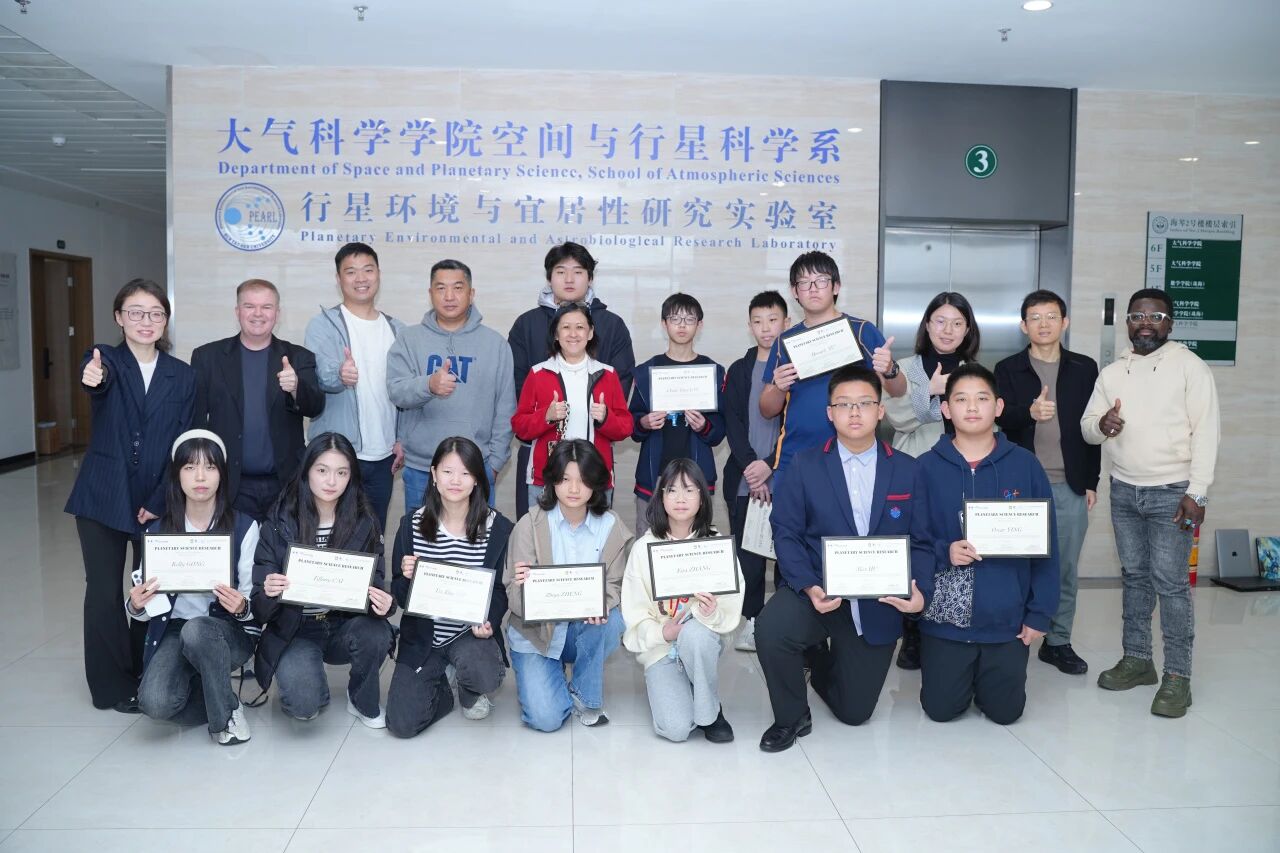
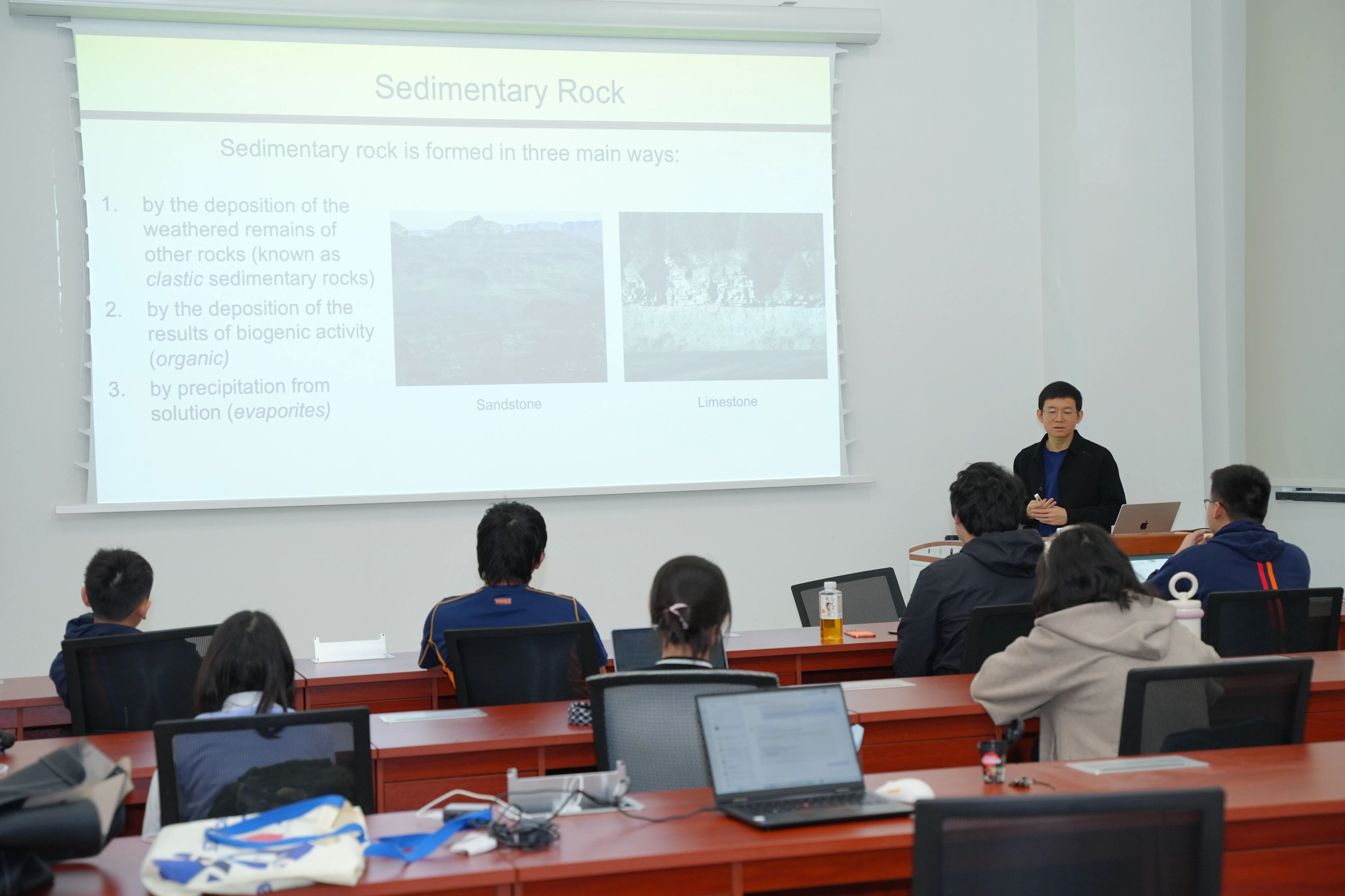
This year’s programme covered several important areas of planetary science, including geometrical optics, spectroscopy, atmospheric plasma, auroral research, and planetary geology. Drawing on their respective expertise, the professors provided our students with detailed guidance and rigorous academic support within an authentic scientific research context, and helped the students understand the interconnections and underlying logic among these disciplines.
02 Applying AI Tools in Frontier Scientific Research
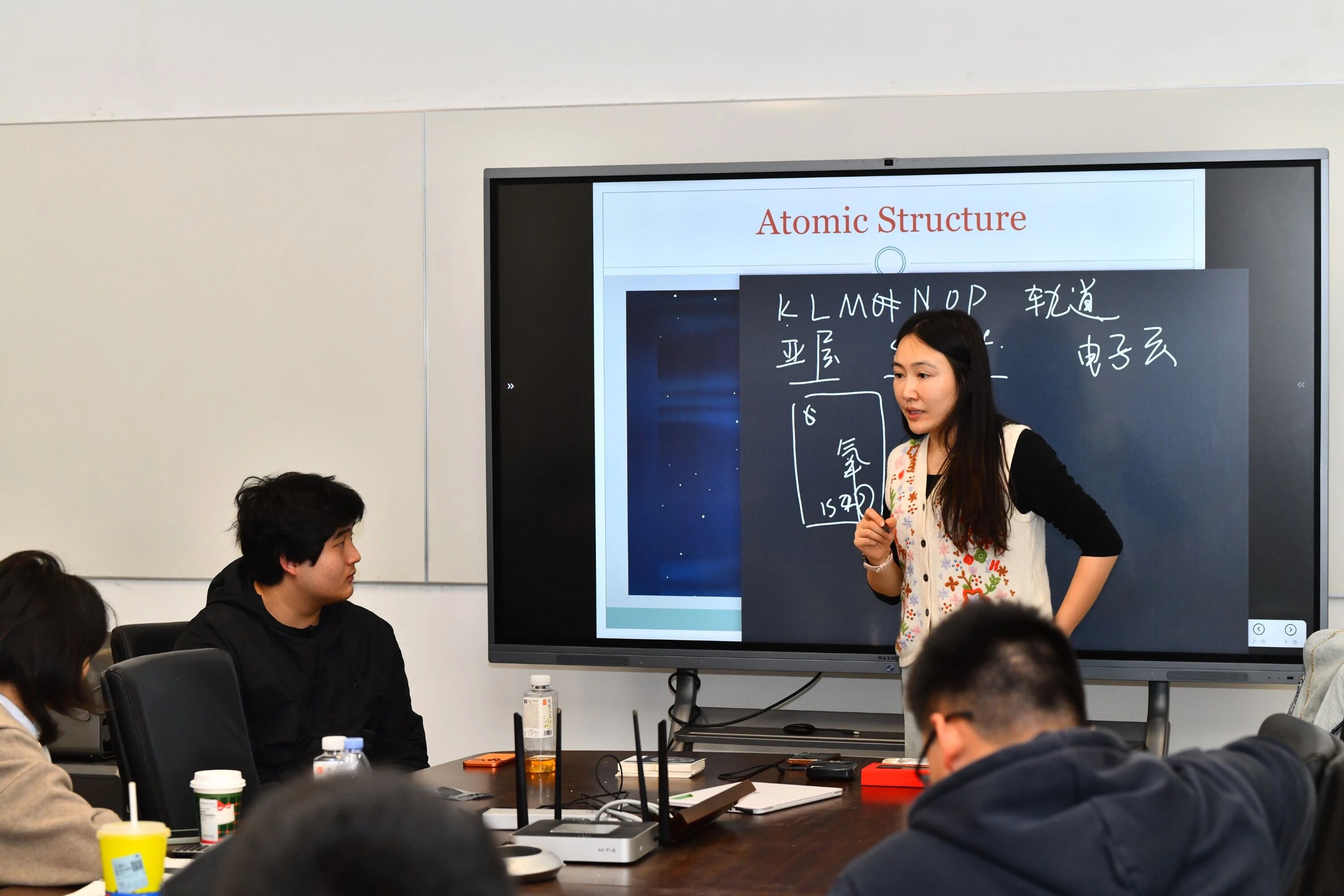
In the AI module, Dr Wang Yiran guided the students through two experimental platforms to explore how Neural Networks and Generative Adversarial Networks (GANs) can achieve self-training and model refinement.
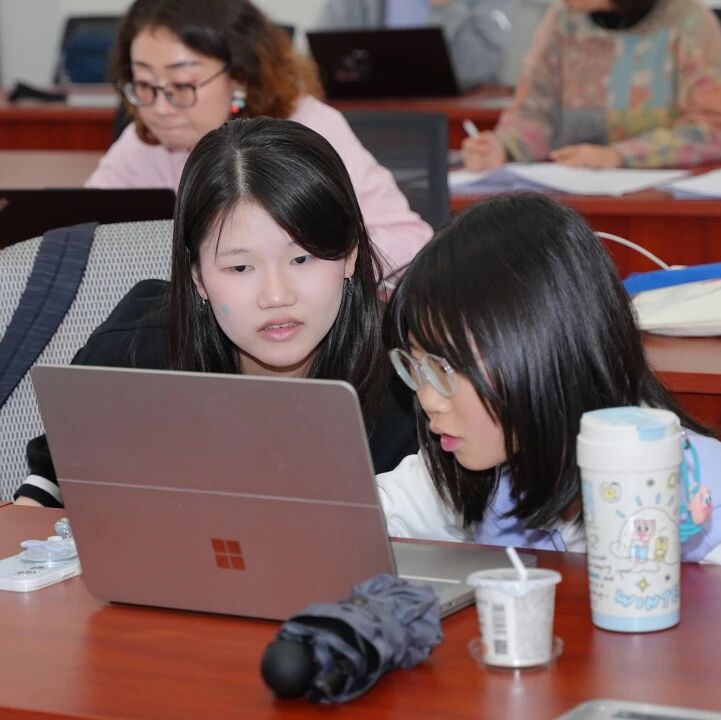
Using the experimental platform developed by Dr Wang, students were divided into two groups to engage in a practical competition. The students trained AI models using raw data, and then applied these models to analyse planetary geological and environmental datasets. By comparing the results, the students evaluated the reliability of their training processes. This hands-on experience not only deepened their understanding of algorithmic principles, but also enabled them to appreciate the importance of validation and iterative refinement in scientific research.
03 Exploration Beyond the Programme Framework
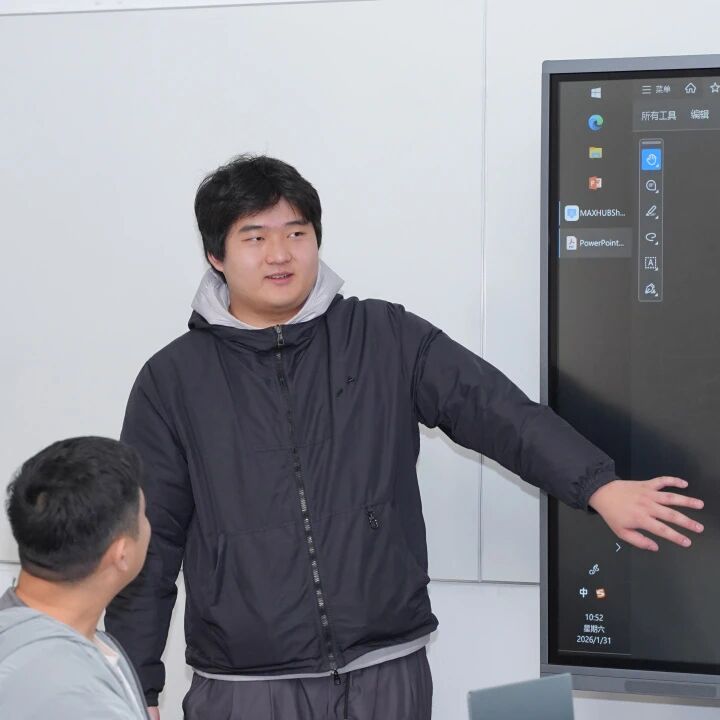
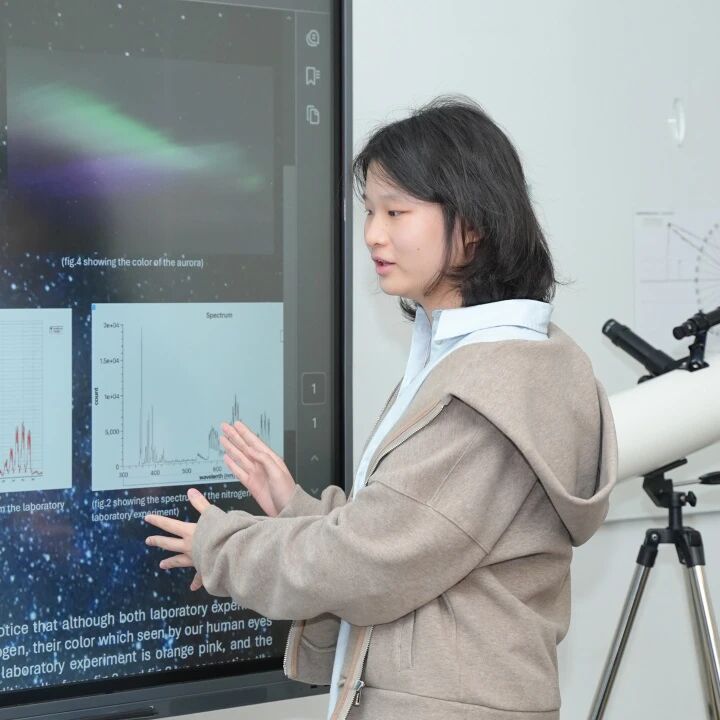
In the final presentation session, the students synthesised a week’s learning and research into an academic poster on a topic of personal interest. They then presented, defended and discussed their posters in front of the professors.
It was very encouraging that some students extended their inquiries beyond the original scope of the programme. They integrated what they had learned in the programme with their own observations and critical reflections to develop broader and original lines of investigation.
Howard, a Year 12 student from YCIS Hong Kong, explored the current state and far-reaching implications of the global commercial space industry. Drawing on motivation theory and a PESTEL (Political, Economic, Social, Technological, Environmental, and Legal) framework, he systematically analysed factors such as market growth, technological advancement, and policy environments, and explained how commercialisation drives innovation and contributes to economic development.
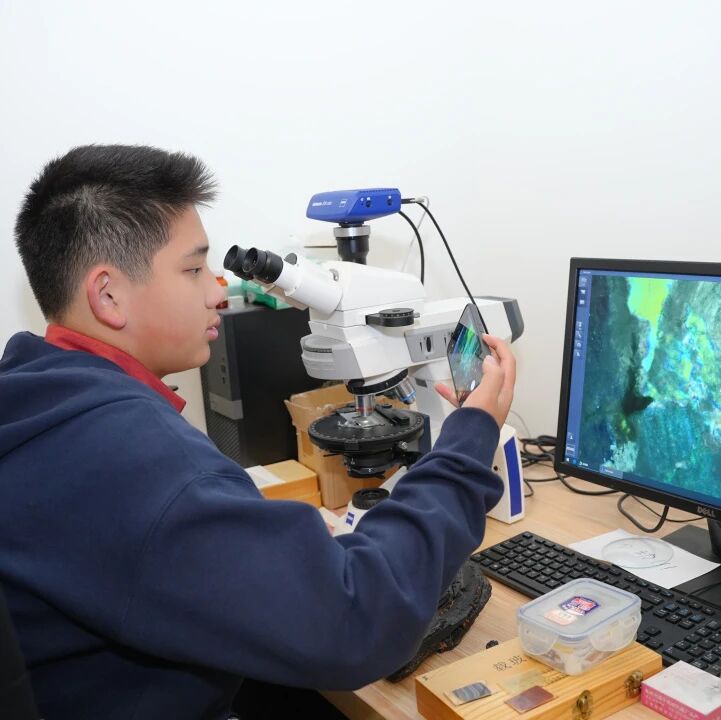
Sophia, a Year 11 student also from YCIS Hong Kong, combined her study of spectroscopic principles with the hands-on construction of a spectrometer, and everyday concerns about solar ultraviolet (UV) radiation. Through spectroscopic experiments, she compared the absorption efficacy of two different SPF50+ sunscreens against UVA and UVB radiation, and identified differences in their absorption peaks. Her investigation further elucidated how sunscreens absorb UV radiation via physical or chemical mechanisms and convert it into lower-energy thermal energy.
04 Mathematics: The Foundation of Science and Beauty
As the bedrock of all scientific disciplines, mathematics is essential for planetary science. Throughout the optical design and analytical processes, students applied trigonometric functions extensively. This was a particular challenge for many of the younger students.
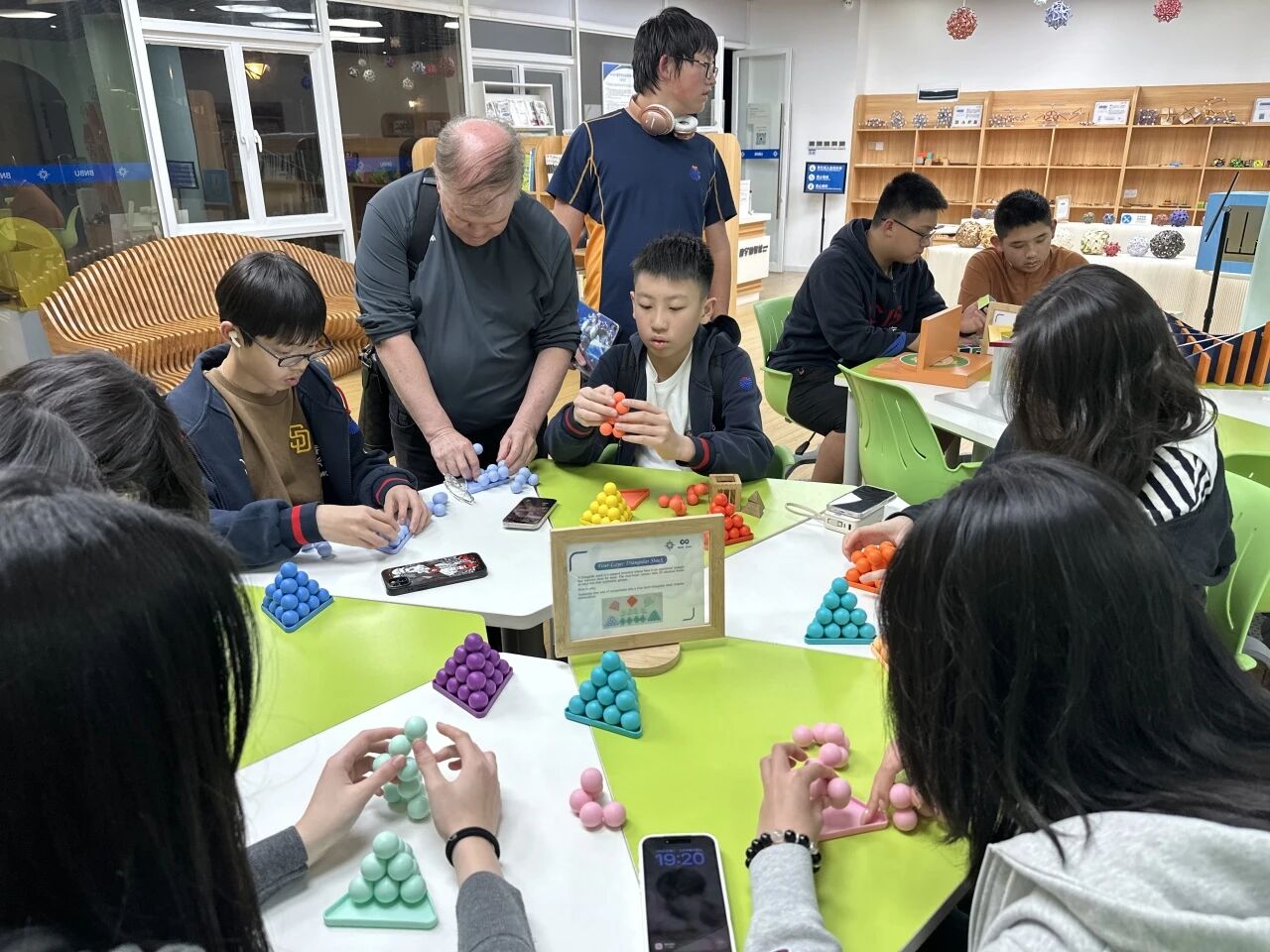
Mathematics is not merely a discipline of logic and deduction; it is also rich in imagination and structural elegance. Ms Zhang Weihong, Director of the Hong Kong Office of Beijing Normal-Hong Kong Baptist University (BNBU), helped students to appreciate the intrinsic beauty of mathematics. Under her guidance, the students and teachers visited the Mathematics Centre at the BNBU Zhuhai campus and participated in a series of interactive activities.
At the centre, the students observed mirror-based installations generating geometric patterns beyond ordinary imagination, and explored how structural transformations emerge from combinations of curved surfaces and rolling-path curves. As a result, classic paradoxes from the history of mathematics were brought vividly to life. Most captivating of all was a toy-like, four-layer triangular pyramid structure. It engaged both the students and the teachers in playful exploration and friendly competition, simultaneously stimulating curiosity and the spirit of intellectual challenge.
05 Visible Growth
Eira, a Year 7 student from YWIES Guangzhou, was the youngest participant in this programme. She had recently transferred to YWIES this semester, having previously attended a public school in Hebei province. Due to differences between the educational systems, she had not yet received systematic instruction in the use of computers, nor had she formally studied physics before joining the programme.
Much of the content presented in the programme was both new and challenging for her. Throughout the process, we closely monitored her learning progress, offering necessary support while also giving her the space to tackle challenges independently.
During her final presentation, Eira focused on building a spectrometer, something that genuinely intrigued her, rather than choosing a more ambitious topic. She clearly explained her construction process, the difficulties she had encountered, and the underlying principles of spectral formation. She also responded confidently to the questions of the professors. Compared to her past, she has taken a significant step forward—this is the kind of growth that brings the greatest joy.
06 Advancing Academic Pathways
The programme has ended, but the EdFutures team will continue to collaborate with university experts to support and mentor students who aspire to pursue further studies in planetary science. This ongoing guidance will help the students conduct independent research, participate in academic conferences, communicate with leading scholars worldwide, and thereby embark on a more advanced academic journey.
Special Acknowledgements
We extend our gratitude to the following distinguished academics and educators for their valuable support of this programme:
Sun Yat-sen University: Professor Cui Jun, Associate Professor Wu Xiaoshu, Associate Professor Cao Yutian
The University of Hong Kong: Professor Yao Zhonghua, Mr Wang Xiangsong, Mr Zeng Zhili
Southern University of Science and Technology: Assistant Professor Wang Yiran
Beijing Normal-Hong Kong Baptist University: Ms Zhang Weihong, Director of the Hong Kong SAR Office of the University



YCIS Hong Kong is a Child-Safe School
Click HERE for our Child Protection Policies and Procedures
YCIS Hong Kong is a member of the Yew Chung Education Foundation (YCEF), both are registered non-profit organisations in Hong Kong
© Yew Chung International School of Hong Kong 2026. All rights reserved